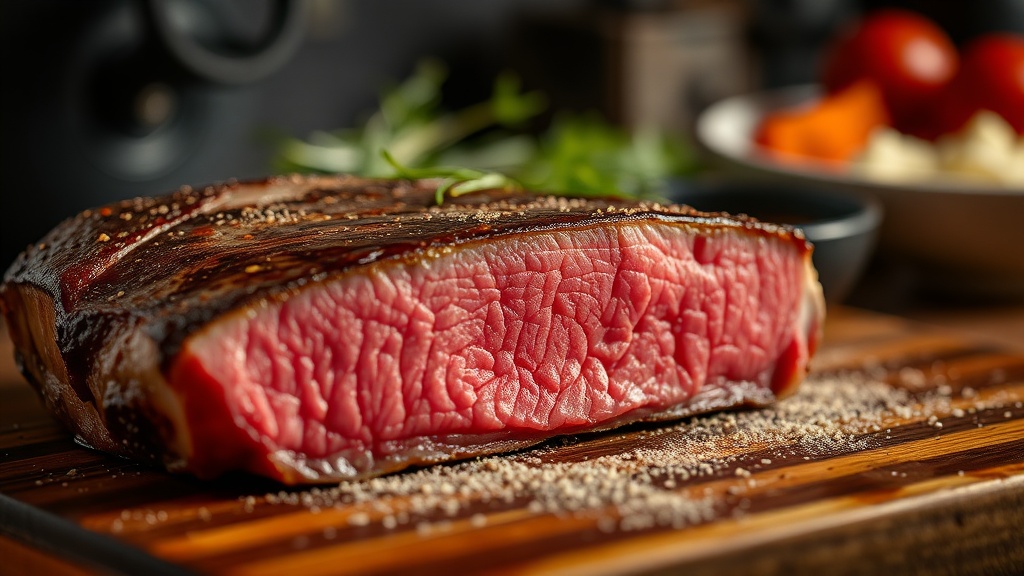
Cheap Cuts of Meat That Taste Like Luxury

The Magic of Slow-Cooked Chuck Roast
Chicken Thighs Over Breasts for Flavor and Savings
Pork Shoulder: The King of Pulled Meats
Beef Shanks for Rich, Deep Broths
Ground Beef Strategies for Big Flavor
Do you ever stare at the meat counter feeling like a steak dinner is completely out of reach? Most people think high-quality protein requires a high-end budget, but that's just not true. This post breaks down the specific, budget-friendly cuts of meat that provide incredible flavor and texture when you cook them the right way. We're looking at how to turn a few dollars' worth of tougher cuts into a meal that feels like a Sunday feast.
What Are the Best Cheap Cuts of Meat for Flavor?
The best cheap cuts of meat are the ones with high connective tissue and fat, which means they need slow cooking to become tender. While a ribeye is delicious, it's expensive because it's tender enough to cook quickly. On the other hand, cuts like chuck roast, pork shoulder, and chicken thighs are much more affordable because they require time and heat to break down. If you have a slow cooker or a heavy pot, you have a goldmine of flavor right in front of you.
I've spent years testing these methods with my three kids in tow, and I've learned that patience is your best friend. You can buy a roast for a fraction of the price of a tenderloin, and with enough time, it'll melt in your mouth. It's all about the science of collagen. When you cook meat slowly, that tough connective tissue turns into gelatin—which is why slow-cooked meats feel so "luxurious" and rich.
The Heavy Hitters: A Breakdown of Value Cuts
Let's look at the specific cuts that always win in my house. I keep a running list of these because they are the foundation of my $50-a-week grocery strategy.
- Beef Chuck Roast: This is the king of the budget kitchen. It's marbled with fat and perfect for pot roasts or beef stew.
- Pork Shoulder (Boston Butt): This is arguably the best value-to-flavor ratio in the entire grocery store. It's incredibly versatile for pulled pork or carnitas.
- Chicken Thighs (Bone-in, Skin-on): Never sleep on these. They are much harder to overcook than breasts and stay juicy even after a long bake.
- Beef Shank: If you see these on sale, grab them. They are the base for a truly authentic, rich beef stew.
- Ground Beef (80/20): While lean cuts are often more expensive, the higher fat content in 80/20 ground beef makes for better-tasting tacos and pasta sauces.
If you're looking to stretch your protein even further, you might want to check out my guide on 6 cheap grains to keep in your pantry. Adding grains like rice or barley to your meat dishes adds bulk and nutrition without breaking the bank.
How Much Does a Budget Meat Selection Cost?
A budget-friendly meat selection typically costs between $2.00 and $5.00 per pound, depending on your local grocery store and current sales. By choosing tougher, more flavorful cuts, you are paying for the flavor rather than the convenience of a pre-tenderized cut. For example, a pork shoulder might only cost $1.50 per pound, whereas a pork tenderloin can easily jump to $7.00 per pound.
It’s a trade-off. You pay less upfront, but you "pay" in time. I always tell my friends that if you have a slow cooker, you're basically a chef in training. You don't need a fancy oven or a sous vide machine—just a heavy pot and a few hours.
| Meat Cut | Typical Cost per lb | Best Cooking Method | Resulting Texture |
|---|---|---|---|
| Beef Chuck Roast | $4.00 - $5.50 | Slow Cooker / Braising | Tender, Shredded |
| Pork Shoulder | $1.50 - $2.50 | Roasting / Slow Cook | Fall-apart Juicy |
| Chicken Thighs | $1.25 - $2.00 | Pan-Searing / Baking | Crispy Skin, Juicy Meat |
| Beef Shank | $3.00 - $4.00 | Stewing | Rich, Velvety Sauce |
The table above shows just how much you can save by switching your mindset. If you're used to buying chicken breasts, switching to bone-in thighs is a massive win for your wallet (and your taste buds). It's a small change that makes a huge difference in a weekly budget.
How Do You Cook Tougher Cuts to Make Them Tender?
To make tough cuts tender, you must use low heat and moisture over a long period of time. This process, often called braising or slow-cooking, breaks down the collagen that makes cheap cuts feel "chewy." You can use a Dutch oven, a slow cooker, or even a heavy-bottomed pan with a lid to trap steam and heat.
Here is my standard "Golden Rule" for budget meats:
- Sear first: Always brown your meat in a hot pan with a little oil before adding liquid. This creates the Maillard reaction—that's the scientific term for the browning that creates deep flavor.
- Add liquid: Use broth, water, or even a bit of cheap red wine. The liquid keeps the meat from drying out during the long cook.
- Low and slow: If the heat is too high, the muscle fibers will tighten up and become tough. Keep it low.
- Salt at the right time: For certain slow-cooked meats, I like to salt them a bit earlier to help season the deeper layers of the meat.
I remember one time I tried to cook a chuck roast on high heat because I was in a rush. It was a disaster. The meat was incredibly tough and basically unchewable. I learned my lesson: heat is the enemy of cheap meat; time is the hero. If you're looking for more ways to manage your time and food, I've written about how to meal prep for an entire week to keep things organized.
The Secret Ingredient: Acid
Sometimes, even with a long cook time, meat can feel a bit heavy or "flat." That's when you need acid. A splash of vinegar or a squeeze of lemon juice at the end of cooking can brighten up a heavy pork shoulder or a rich beef stew. It cuts through the fat and makes the whole dish feel lighter and more expensive. It's a trick I learned from watching my grandmother, and it works every single time.
"The secret to a great meal isn't the price of the ingredients; it's the patience of the cook."
Speaking of ingredients, don't forget that seasonality matters too. If you're making a stew, pair your cheap meat with seasonal vegetables. You can read more about why this is a smart move in my post about buying seasonal produce. It keeps the cost down and the flavor up.
Don't Forget the Bones
If you buy meat with the bone in, you're actually getting two products for the price of one. Once you've eaten the meat, don't throw those bones in the trash! They are pure gold for making homemade stock. A rich, homemade beef or chicken stock is the foundation of any "luxury" tasting soup or sauce. It's much better than the store-bought versions, and it costs you almost nothing if you use what you've already cooked.
For more information on food safety and the nutritional aspects of different meat cuts, you can always check the FDA website to ensure you're handling your proteins correctly. Proper handling is just as important as the cooking method itself.
When you're at the grocery store, don't be afraid to look at the bottom shelves. Often, the more expensive, "premium" cuts are at eye level, while the heavy, value-packed cuts are tucked away lower down. It takes a little extra effort to reach, but your bank account will thank you. You don't need a massive budget to feed your family well—you just need to know which cuts are worth your time.