How to Meal Prep for an Entire Week on a Tight Budget (Without Eating the Same Thing Daily)

Meal prepping has a reputation for being repetitive, expensive, or time-consuming. It doesn’t have to be. With a simple system, you can prep a full week of meals, stay under budget, and still eat food that feels varied and satisfying.
Step 1: Build a Cheap, Flexible Grocery List
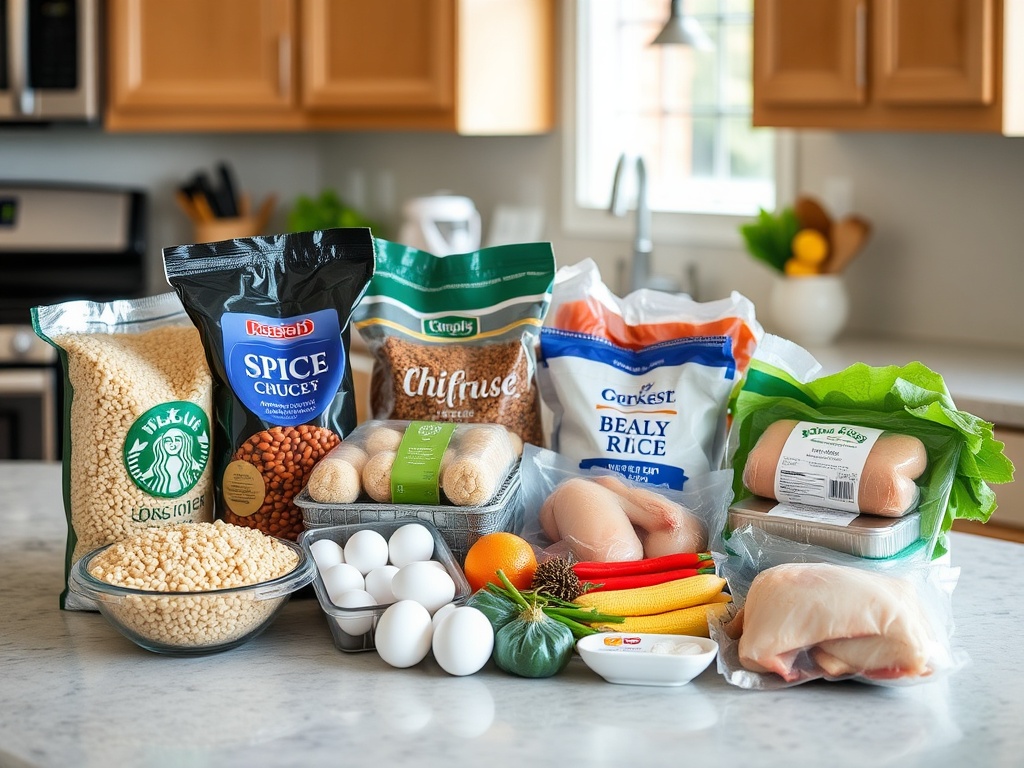
The foundation of budget meal prep is choosing ingredients that are cheap, versatile, and store well. Think in categories instead of recipes.
- Staples: rice, pasta, oats, potatoes
- Proteins: eggs, beans, lentils, chicken thighs, canned tuna
- Vegetables: carrots, cabbage, onions, frozen mixed veg
- Flavor builders: garlic, soy sauce, canned tomatoes, spices
The goal is to mix and match these across meals instead of buying ingredients for one specific dish. This reduces waste and keeps costs low.
Step 2: Pick 3–4 Core Meals (Not 7 Different Ones)
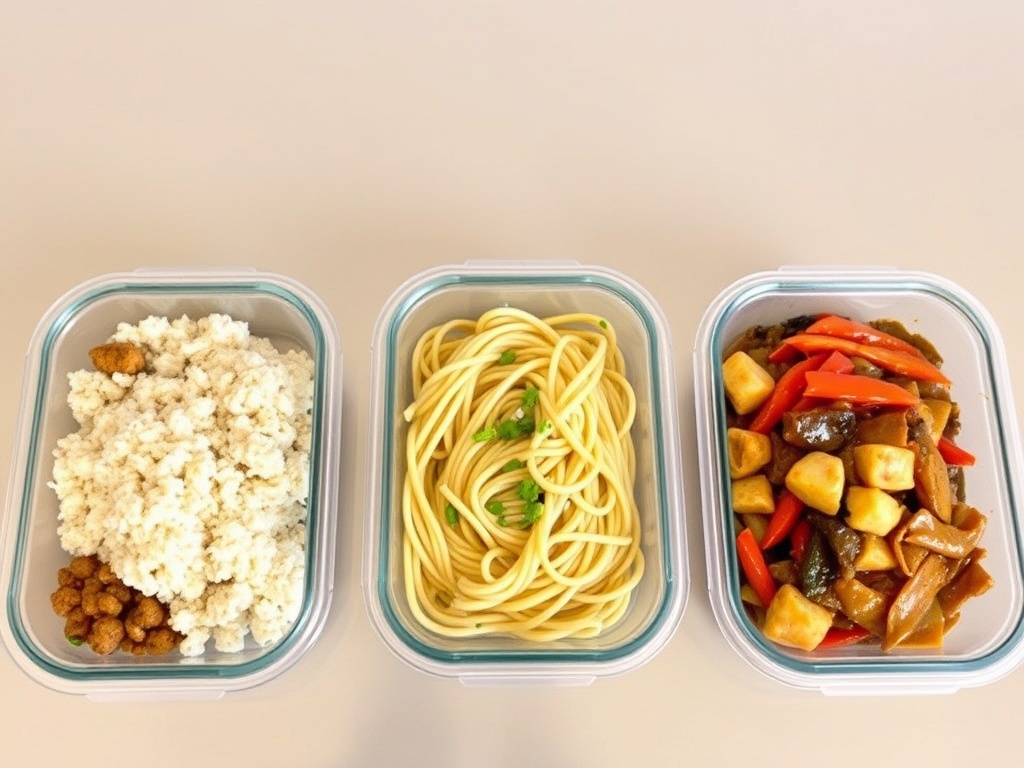
Instead of planning a different meal for every day, choose a few base meals that can be adjusted.
Example lineup:
- Rice bowl (chicken or beans + veggies)
- Pasta with tomato-based sauce
- Egg-based meal (fried rice or omelets)
- Soup or stew for leftovers
This approach gives variety without increasing cost or prep time.
Step 3: Batch Cook Smart, Not Big
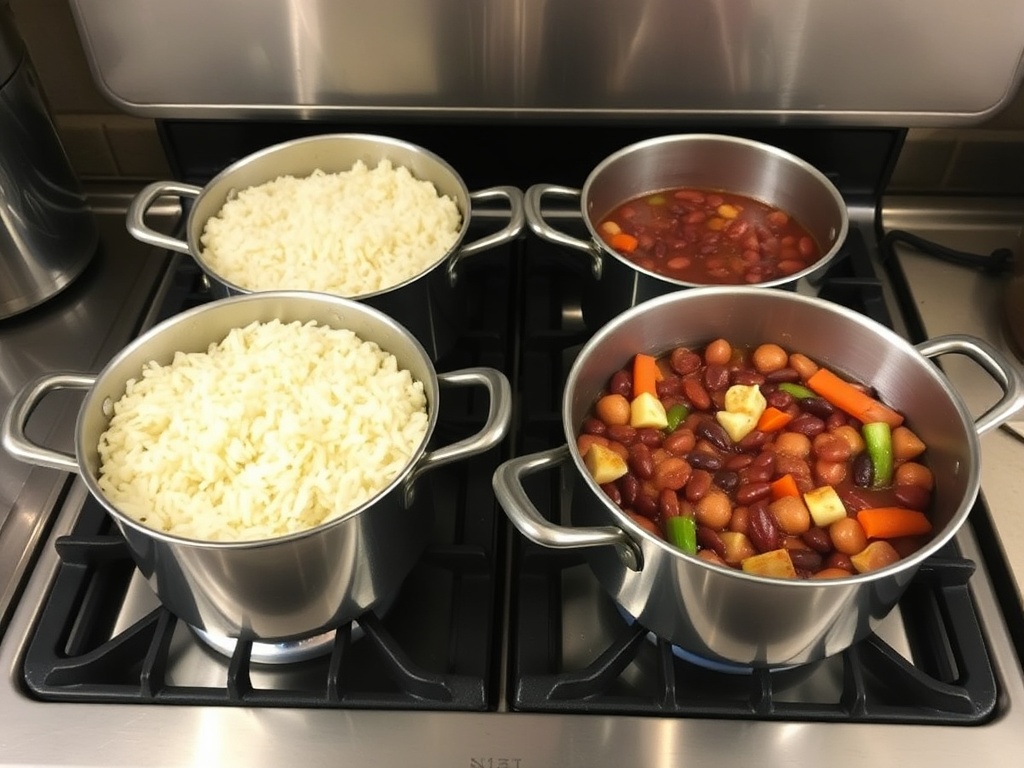
Cooking everything in massive batches sounds efficient but often leads to burnout from eating the same meal repeatedly. Instead, batch components.
- Cook a large pot of rice
- Prepare one protein (like baked chicken or lentils)
- Chop and roast or sauté vegetables
By keeping components separate, you can recombine them into different meals throughout the week.
Step 4: Use Flavor to Create Variety
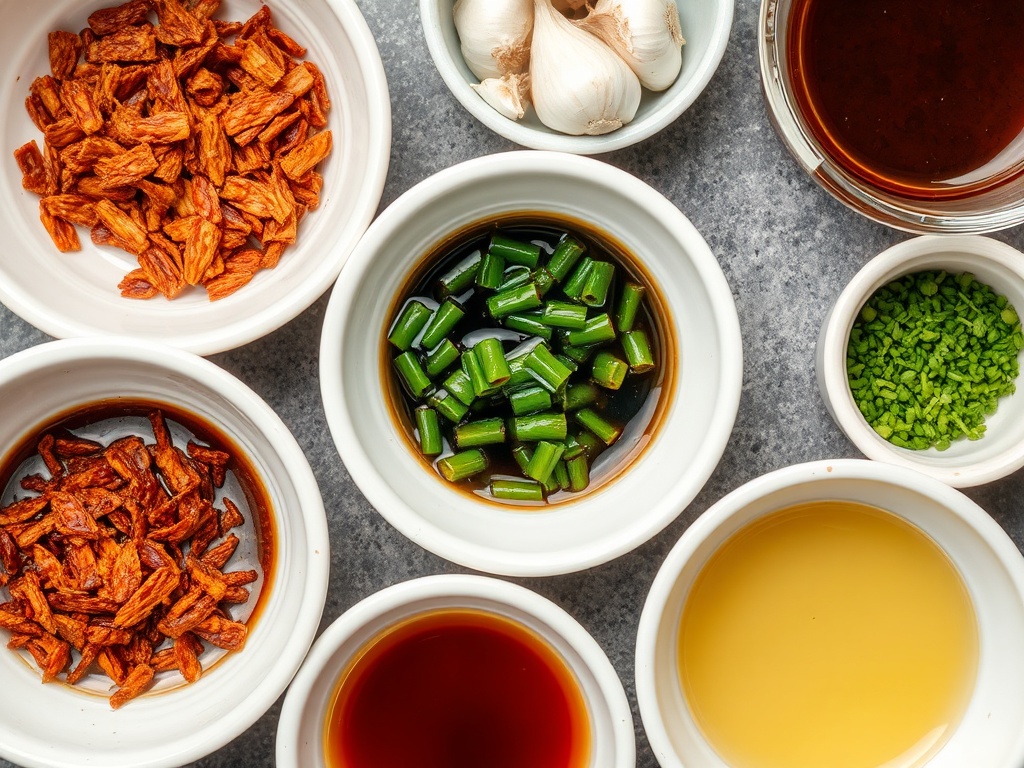
The same base ingredients can taste completely different with simple changes.
- Day 1: Soy sauce + garlic = quick stir fry
- Day 2: Tomato + spices = hearty stew
- Day 3: Oil + herbs = roasted bowl
Investing in a few cheap condiments makes budget meals feel less repetitive.
Step 5: Store Meals the Right Way
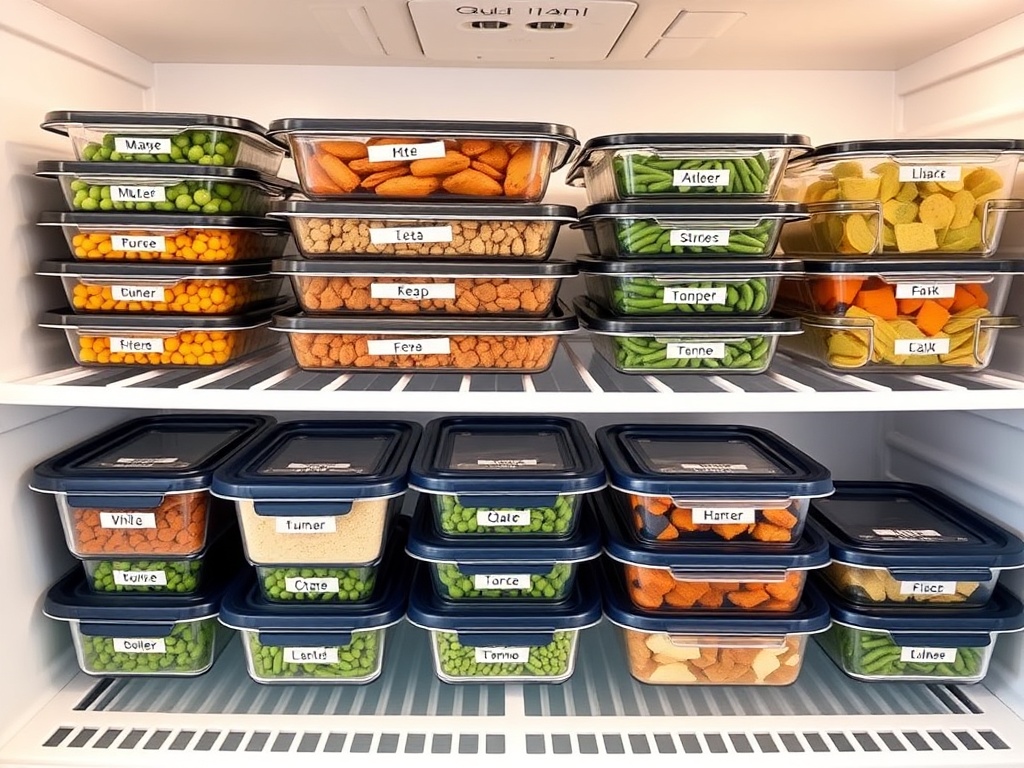
Storage matters more than most people think. Poor storage leads to wasted food.
- Keep sauces separate when possible
- Use airtight containers
- Freeze portions you won’t eat within 3–4 days
This keeps meals fresh and reduces the temptation to order takeout.
Step 6: Plan for Leftovers (On Purpose)
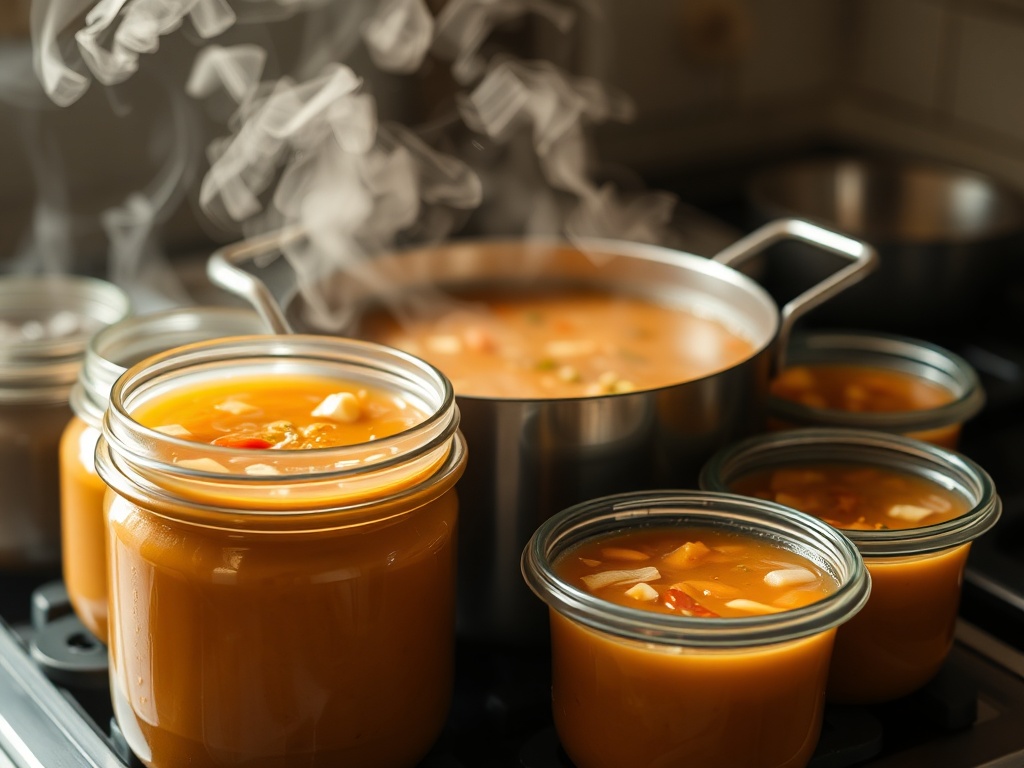
Leftovers are not a failure—they’re part of the system.
Turn extras into new meals:
- Roasted chicken → sandwiches or wraps
- Rice → fried rice with eggs
- Vegetables → soup or stir fry
This reduces waste and stretches your grocery budget further.
Step 7: Keep a Running “Cheap Meal” List
Every time you find a meal that’s cheap, easy, and satisfying, write it down. Over time, you’ll build a personal library of go-to meals that remove decision fatigue.
Step 8: Example $50 Weekly Plan
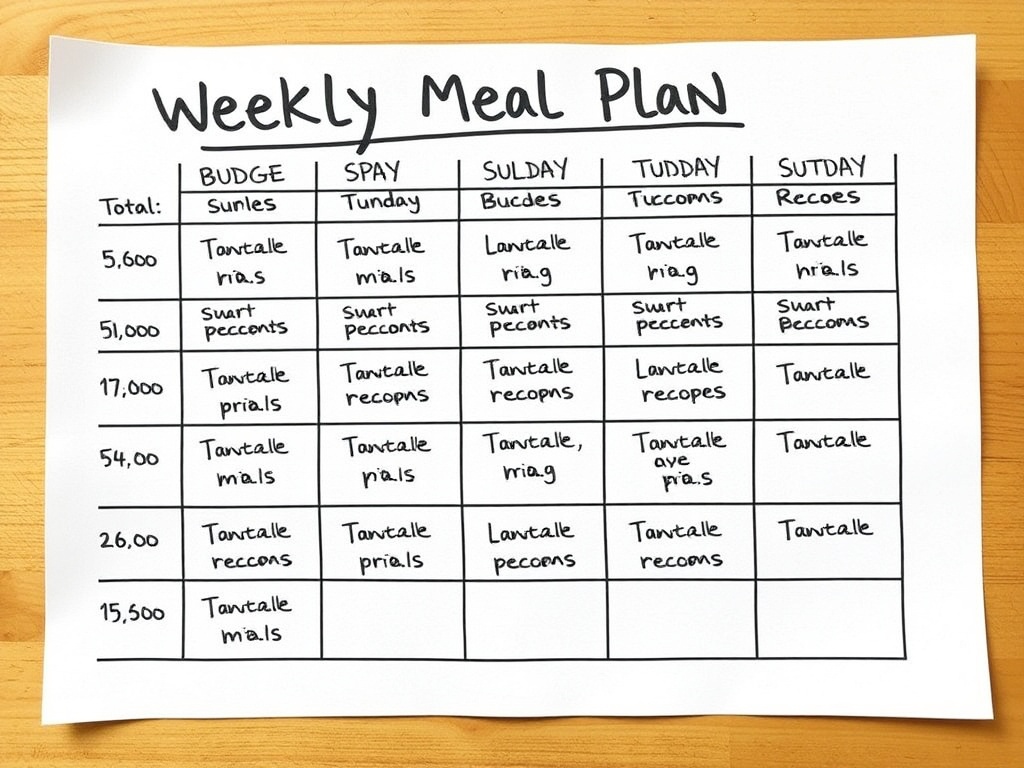
Here’s a rough example (prices vary by location):
- Rice (5 lb)
- Dry lentils
- Chicken thighs
- Eggs
- Frozen vegetables
- Canned tomatoes
- Onions, carrots, cabbage
From this, you can make:
- Chicken rice bowls
- Lentil stew
- Vegetable fried rice
- Simple pasta
That’s a full week of meals with overlap, flexibility, and minimal waste.
Final Thoughts
Budget meal prep works when you stop chasing perfect variety and start building flexible systems. Focus on reusable ingredients, simple cooking methods, and small flavor changes. You’ll spend less, waste less, and eat better without overthinking every meal.
Steps
- 1
Build a Cheap, Flexible Grocery List
- 2
Pick Core Meals
- 3
Batch Cook Components
- 4
Use Flavor for Variety
- 5
Store Meals Properly
- 6
Plan for Leftovers
- 7
Keep a Meal List
- 8
Follow a Weekly Plan