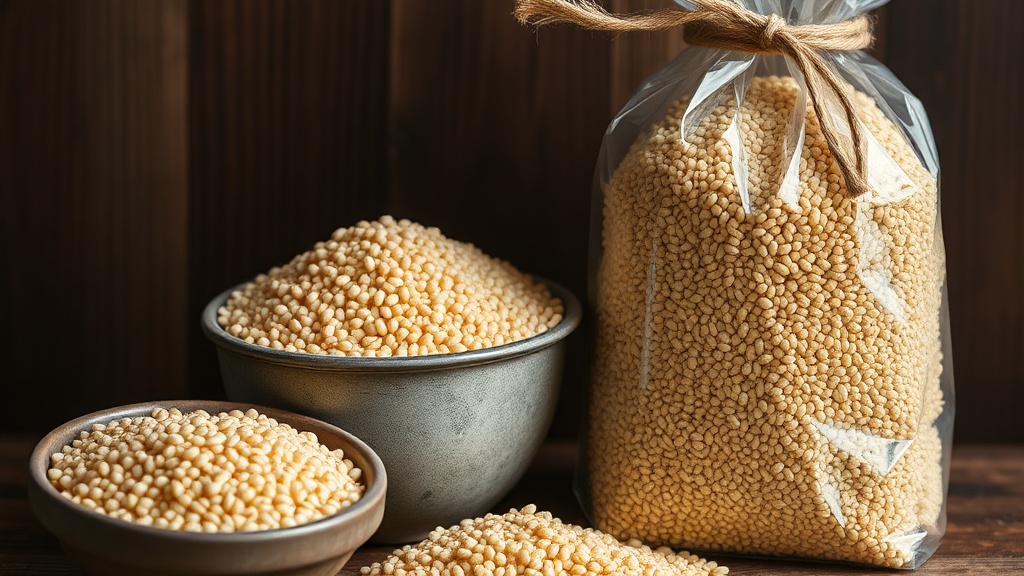
6 Cheap Grains to Keep in Your Pantry

Oats for Breakfast and Baking
Brown Rice for Filling Meals
Quinoa for Protein and Texture
Barley for Hearty Soups
Bulgur for Quick Salads
Couscous for Easy Side Dishes
A grocery cart rolls through the aisles, filled with heavy bags of pasta, a few cartons of eggs, and a single package of chicken thighs. As the total climbs toward the checkout line, the realization hits: the pantry is actually quite empty. There is plenty of protein and some produce, but nothing to act as a base for a substantial meal. This is the common pitfall of a grocery list that lacks a solid foundation. To keep a family full without breaking the bank, you need a reliable stock of inexpensive, shelf-stable grains. This post covers six versatile, low-cost grains that act as the backbone of budget-friendly meal planning, helping you turn small amounts of protein and vegetables into filling dinners.
1. Brown Rice
Brown rice is a staple for a reason. Unlike white rice, which has had the bran and germ removed, brown rice retains much of its fiber and B vitamins. This makes it a more satiating option, which is crucial when you are trying to stretch a meal. Because it is more filling, your kids are less likely to ask for seconds or snacks shortly after dinner.
When shopping, look for the large 5 or 10-pound bags in the international aisle or the bulk section. Buying these larger quantities significantly lowers the price per ounce compared to the small, pre-washed boxes. Brown rice takes longer to cook than white rice—usually about 40 to 45 minutes—so I recommend using a rice cooker or a heavy-bottomed pot like a Dutch oven to ensure even cooking. A simple trick to add flavor without spending extra on sauces is to toast the dry grains in a little bit of oil or butter for two minutes before adding your water or broth. This adds a nutty depth that makes a plain bowl of rice feel much more substantial.
Ways to use brown rice:
- Fried Rice: Use leftover, cold brown rice from the night before. Sauté it with frozen peas, carrots, a splash of soy sauce, and a scrambled egg.
- Grain Bowls: Layer cooked rice with black beans, salsa, and whatever leftover roasted vegetables you have in the fridge.
- Rice Pudding: Simmer cooked rice with a bit of milk (or a dairy alternative) and a dash of cinnamon for a cheap dessert.
2. Rolled Oats
Oats are one of the most cost-effective items in the grocery store. While many people think of them only as a breakfast food, rolled oats are a versatile pantry essential that can serve as a thickener, a binder, or a base for various meals. Avoid the individual flavored packets, which are often more expensive and loaded with unnecessary sugar. Instead, purchase a large canister of plain old-fashioned rolled oats.
Oats provide complex carbohydrates that release energy slowly, which helps prevent the mid-afternoon energy crashes often seen in school-aged children. You can make a massive batch of "overnight oats" in Mason jars for a quick breakfast, or use them to add bulk to meatloaf or veggie burgers. If you find that your oats are a bit too expensive, check the baking aisle; sometimes the large bags meant for baking are even cheaper than the breakfast aisle versions.
Ways to use rolled oats:
- Homemade Granola: Mix oats with a little honey, oil, and a handful of raisins or sunflower seeds, then bake until golden.
- Oatmeal Pancakes: Blend oats into a fine flour to add fiber and texture to your standard pancake batter.
- Thickener: Add a handful of oats to soups or stews to thicken the consistency without needing expensive roux or heavy cream.
3. Quinoa
Quinoa often gets a reputation as a "superfood" that carries a high price tag, but if you shop strategically, it is a very manageable addition to a budget pantry. It is a complete protein, meaning it contains all nine essential amino acids, making it an excellent choice for meatless meals. To keep the cost down, look for quinoa in the bulk bins at stores like WinCo or towards the end of the aisles in discount grocers.
Quinoa cooks much faster than brown rice—usually in about 15 minutes—which makes it a great option for weeknight dinners when you are short on time. It has a slightly crunchy texture that works well in both hot and cold applications. For a more flavorful base, cook your quinoa in vegetable broth rather than plain water. If you are looking to save even more, you can often find "white quinoa" which is sometimes slightly cheaper than the tri-color varieties. To make the most of your broth, remember how to make your own vegetable broth from scraps to avoid buying expensive cartons at the store.
Ways to use quinoa:
- Salad Base: Mix cooked, cooled quinoa with cucumbers, feta cheese, and a lemon vinaigrette for a refreshing side dish.
- Breakfast Porridge: Cook it with milk and cinnamon for a high-protein alternative to traditional oatmeal.
- Stuffing: Use it as a filling for bell peppers or stuffed squash alongside some savory herbs.
4. Barley
Barley is a highly underrated grain that is incredibly inexpensive and incredibly hearty. It is a whole grain that provides a chewy texture and a deep, earthy flavor. Because it is so dense, a small amount goes a long way in making a meal feel "heavy" and satisfying. This is particularly useful during colder months when you want to serve more warming, comforting foods.
Barley is most commonly used in soups and stews. It absorbs the liquid it is cooked in, which means it can act as a natural thickener for your recipes. When buying barley, look for "pearl barley" for faster cooking times, or "hulled barley" if you want the maximum amount of fiber and nutrition. A bag of pearl barley can last a family of four several weeks and costs very little per serving. It is a perfect companion to the 7 ways to use canned beans technique, as the combination of beans and barley creates a very high-protein, low-cost vegetarian meal.
Ways to use barley:
- Beef and Barley Soup: Add barley to a standard beef and vegetable soup to make it a much more filling meal.
- Mediterranean Salad: Toss cooked barley with chickpeas, parsley, and a light vinaigrette for a hearty grain salad.
- Breakfast Bowl: Treat it like oatmeal by simmering it in milk with some diced apples and nutmeg.
5. Couscous
Couscous is often misunderstood; technically, it is a tiny form of pasta made from semolina flour, but it functions like a grain in cooking. The biggest advantage of couscous is speed. It doesn't require a long boiling process; you simply pour boiling water or broth over it, cover it, and let it sit for about five to ten minutes. This makes it a lifesaver on busy school nights when you realize you forgot to start the rice cooker.
While some specialty varieties like pearl (Israeli) couscous can be pricier, standard fine couscous is very affordable. It is excellent for absorbing flavors, so it works well with Mediterranean, Middle Eastern, or even simple butter-and-herb preparations. Because it is so light, I recommend pairing it with heavier ingredients like roasted vegetables or legumes to ensure the meal is truly satiating.
Ways to use couscous:
- Quick Side Dish: Prepare it with a bit of butter and lemon zest to serve alongside roasted chicken or fish.
- Vegetable Pilaf: Stir in sautéed onions, garlic, and raisins for a flavorful side that feels fancy but costs pennies.
- Tabbouleh-style Salad: Mix with plenty of chopped parsley, tomatoes, and cucumbers for a light lunch.
6. Cornmeal
Cornmeal is a versatile, low-cost grain that can be used in both sweet and savory ways. It is a staple in many cultures and can be used to make everything from thick porridges to crusts for savory dishes. When shopping, look for yellow cornmeal for a brighter color and slightly sweeter flavor, or white cornmeal for a more neutral base.
One of the best ways to use cornmeal is to add texture to your cooking. You can use it to coat proteins before pan-frying, which adds a satisfying crunch without the cost of expensive breadcrumbs. It also works beautifully as a base for savory polenta or grits, which can be topped with a simple fried egg or sautéed greens for a very cheap, high-protein breakfast or dinner. To keep your pantry organized and your meals flavorful, remember why you should buy spices in bulk, as seasoning your corn-based dishes is essential to prevent them from becoming bland.
Ways to use cornmeal:
- Savory Polenta: Cook cornmeal with water or milk until creamy, then serve with a hearty vegetable ragu.
- Cornbread: Use it as a base for homemade cornbread to serve alongside chili or stew.
- Crispy Coating: Use it to coat sliced zucchini or even chicken pieces for a budget-friendly, crispy texture.
Building a pantry around these six grains ensures that you always have a foundation for a meal. By focusing on these inexpensive, versatile staples, you can move away from the stress of "what's for dinner" and toward a more organized, budget-friendly way of feeding your family. Keep these in stock, and you will always have the ability to turn a few leftover vegetables and a bit of protein into a complete, satisfying meal.