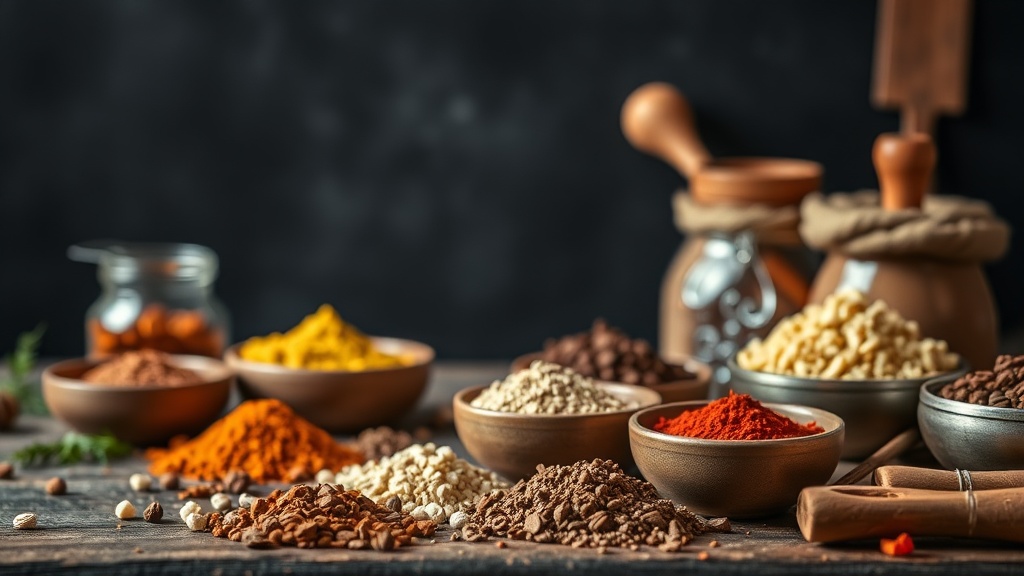
Build a Flavorful Pantry with Basic Spices and Aromatics

Ever wonder why a simple bowl of beans or a plain chicken breast tastes so bland, even when you're following a recipe? This post explores how to build a high-impact pantry using low-cost spices and aromatics to transform basic ingredients into meals that taste expensive. We'll look at which spices provide the most value, how to use fresh aromatics without breaking the bank, and how to keep your pantry organized so nothing goes to waste.
The truth is, most people spend too much money on pre-made sauces and seasoning packets. I used to do the same thing—buying those little $4 packets of taco seasoning or jarred marinades—before I realized that the real magic happens with a few basic, loose spices and a head of garlic. You don't need a massive collection of exotic ingredients to make food taste good. You just need the right foundation.
What Are the Most Important Spices to Buy First?
The most important spices to buy first are the versatile "workhorse" spices like garlic powder, onion powder, cumin, smoked paprika, and dried oregano. These are the staples that work across multiple cuisines—Mexican, Mediterranean, and American comfort food—so you aren't buying a spice for just one single recipe. If you have these, you can make a huge variety of dishes without needing a specialized pantry.
When I'm at the store, I look for the store brands like Great Value or 365 by Whole Foods Market because the quality is often identical to the name brands, but the price is significantly lower. A little tip: skip the glass jars in the spice aisle. They look pretty, but they're often way more expensive than the plastic shaker bottles or the bulk bags found in the baking aisle.
Here is a breakdown of how I categorize my spices to keep my spending low:
- The Basics: Salt (always use Kosher or Sea salt for better flavor), Black Pepper, Garlic Powder, Onion Powder.
- The Flavor Boosters: Cumin (essential for chili or beans), Smoked Paprika (adds a smoky depth), and Chili Powder.
- The Herbals: Dried Oregano, Thyme, and Parsley. These are much cheaper than buying fresh herbs every single week.
- The Heat: Red Pepper Flakes or Cayenne. A tiny bit goes a long way.
If you're trying to stretch a meal, like when you stretch ground meat with lentils, having plenty of cumin and garlic powder is a lifesaver. It masks the texture of the lentils and makes the whole dish feel hearty and intentional rather than just a "filler."
How Much Do Spices Cost Over Time?
Spices cost very little per serving if you buy them in bulk or choose generic brands rather than specialty boutique labels. While a single jar might feel like an investment, the cost per use is actually pennies. The real trick to saving money is buying the larger containers or even the bulk bags when you see them on sale, rather than the tiny, expensive jars used for "display" in the middle of the aisle.
Let's look at a quick comparison of how much you're actually spending on flavor versus buying pre-made mixes:
| Item | Estimated Cost per Serving | Versatility |
|---|---|---|
| Pre-made Taco Seasoning Packet | $0.50 - $0.75 | Low (One specific flavor) |
| Homemade Blend (Cumin, Chili, Garlic) | $0.10 - $0.15 | High (Use in many ways) |
| Jarred Marinade/Sauce | $1.00 - $2.00 | Very Low (One dish) |
| Bulk Spices (Cumin/Paprika) | $0.05 - $0.10 | Very High (Multiple cuisines) |
It's a massive difference. When I was a dental hygienist, I was always looking at the small details—precision and efficiency. I apply that same logic to my kitchen. Why pay $5 for a jar of pre-made sauce when a $0.50 jar of spices can make five different sauces? It’s just better math.
What Are the Best Aromatics for Budget Cooking?
The best aromatics for budget cooking are onions, garlic, and ginger, as these are inexpensive and provide a massive base of flavor for almost any savory dish. Aromatics are the ingredients you sauté at the beginning of a recipe to build a flavor foundation. They aren't just "seasoning"—they are the soul of the dish.
I always keep a large bag of yellow onions and a head of garlic in my pantry. These are my "holy trinity" along with oil. If I have these, I can make a base for a soup, a stew, or a stir-fry. Sometimes, I'll even use the scraps—like onion skins or even the ends of a leek—to make homemade vegetable stock. (I've seen people do this for years, and it's a great way to avoid wasting food.)
The Onion Rule: Don't be afraid of the cheap stuff. You don't need organic shallots or fancy red onions for every meal. A standard yellow onion from a discount grocer like ALDI is perfect for building flavor in a slow-cooked stew or a basic pasta sauce. It does the heavy lifting so you don't have to rely on salt alone.
Garlic Strategy: Buying whole heads of garlic is significantly cheaper than buying the pre-minced stuff in a jar. Yes, it takes an extra minute to peel it, but the flavor is much fresher and the savings add up. If you find yourself with too much garlic, mince it all at once and freeze it in ice cube trays with a little oil. It's a lifesaver for those busy weeknights.
For more on how to manage your grocery budget effectively, you might want to check out how I meal prep for an entire week on a tight budget. The same logic applies here: investing in the "base" ingredients saves you from buying expensive "finished" products later.
One thing I've learned is that aromatics are the most important part of the cooking process. If you skip the sautéing step—the part where you cook the onions and garlic in oil until they are soft and fragrant—your food will always taste "flat." It's the difference between a meal that is just edible and a meal that actually feels satisfying.
The definition of aromatics in cooking refers to these substances that release much of their flavor when heated in fat. This is a chemical reaction that releases oils and compounds. When you skip this, you're essentially skipping the flavor-building stage of your meal. It's not just a suggestion; it's how you build a deep, complex taste without adding expensive ingredients.
A quick tip for keeping your spices fresh: store them in a cool, dark place. I don't keep my spices right next to the stove. The heat and steam from cooking can actually degrade the oils in your spices, making them lose their punch much faster. If your paprika doesn't smell like anything when you open the jar, it's probably dead. Toss it and buy a new one.
Sometimes I'll use a little bit of leftover coffee grounds or even certain types of tea to add a deep, earthy note to a savory braise. It sounds wild, but it's all about understanding how different flavors interact. But let's stick to the basics for now. If you master the onion-garlic-cumin-paprika combo, you can survive almost any kitchen challenge.
The goal isn't to have a pantry full of things you rarely use. It's to have a pantry full of things you use constantly. A cluttered spice rack is a waste of money. A focused, well-stocked spice kit is a tool for success. Whether you are making a simple bean soup or a more complex roast, these little additions are what make the difference between a "budget meal" and a "delicious meal."
I remember one time I tried to make a fancy Moroccan-style stew using a recipe that called for five different expensive spices I didn't own. I felt so defeated. But then I realized, I had cumin, I had cinnamon, and I had some chili flakes. I used those, and it was actually better than the original recipe because it was tailored to what I had on hand. Don't be afraid to experiment with what you already own.
If you're looking to save even more on your grocery bill, you might find it helpful to learn how to make your own bread at home. Bread and spices are the two biggest pillars of a flavorful, low-cost kitchen. Once you master these, you'll never look at a plain piece of food the same way again.