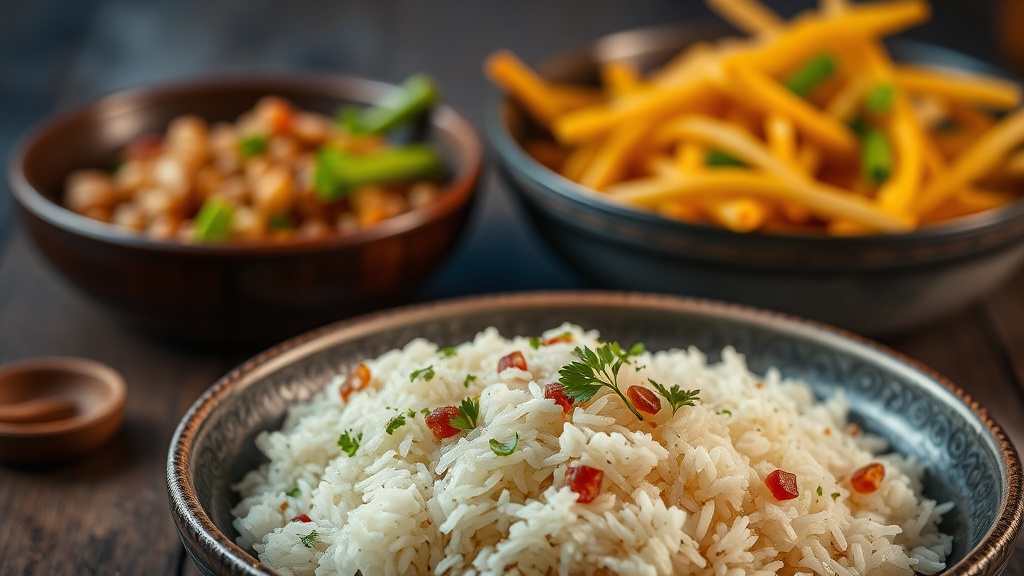
Turn Your Leftover Rice into Gourmet Meals

You're going to learn exactly how to transform plain, leftover rice into high-quality, flavorful meals that don't taste like "leftovers." We'll cover the science of why old rice is actually better for certain recipes, how to properly store it to keep it safe, and specific ways to use it for breakfast, lunch, and dinner. This is about more than just avoiding waste—it's about using a staple ingredient to save money while eating well.
Why is Leftover Rice Better for Fried Rice?
Leftover rice is superior for fried rice because the grains have dehydrated slightly, preventing them from turning into a mushy mess when you hit the pan. When you cook fresh rice, the moisture content is high, which often leads to a clumped, gummy texture during stir-frying. Using rice that has been sitting in the refrigerator for a day or two—or even longer—allows the starch to firm up.
If you've ever tried to make fried rice with freshly steamed jasmine rice, you know the struggle. It often turns into a heavy, wet pile of grains. By using day-old rice, the grains stay individual and distinct. This is the secret to that restaurant-quality texture you see in places like P.F. Chang's.
Here is a quick breakdown of the different types of rice and how they behave when they are leftovers:
| Rice Type | Best Use for Leftovers | Why It Works |
|---|---|---|
| Jasmine Rice | Fried Rice | Fragrant and stays separate when aged. |
| Brown Rice | Rice Pudding or Breakfast Bowls | Nutty texture holds up well in liquids. |
| Short Grain | Congee or Porridge | The higher starch content makes a creamy base. |
Don't be afraid to experiment with different fats. I usually use a neutral oil like canola, but a little bit of toasted sesame oil added at the very end makes a massive difference in flavor. It’s a small addition, but it makes the meal feel expensive.
How Do I Store Leftover Rice Safely?
To store rice safely, you must cool it quickly and keep it in an airtight container in the refrigerator for no more than three to four days. Rice can carry spores of Bacillus cereus, a bacterium that can survive the cooking process and cause food poisoning if the rice is left at room temperature for too long. This is a serious matter, so don't leave that container sitting on the counter while you're cleaning up the kitchen!
I always tell my readers: get that rice into the fridge immediately. If you're making a large batch of rice to use throughout the week, let it cool for a few minutes, then portion it into small, airtight containers. If you aren't going to use it within a few days, I actually recommend freezing it in ice cube trays or small bags. You can thaw it in the microwave or toss it directly into a hot pan later.
According to the CDC guidelines on food safety, proper temperature control is the only way to prevent bacterial growth in cooked grains. If you see any off-smells or if the rice feels slimy, toss it. It's not worth the risk.
One thing I learned the hard way: never reheat the same batch of rice more than once. Reheat it, eat it, and if there's any left, put it back in the fridge—but don't keep cycling it through the microwave and the fridge. It's a recipe for bacteria issues.
What Are Some Quick Ways to Use Leftover Rice?
You can use leftover rice in a variety of ways ranging from savory breakfasts to decadent desserts. Since the rice is already cooked and slightly firm, it acts as a blank canvas for whatever flavors you want to add. You can go the savory route with eggs and veggies, or the sweet route with milk and cinnamon.
Here are three of my favorite ways to use up that extra scoop in the fridge:
- Savory Breakfast Bowl: Sauté a handful of spinach and some leftover rice in a pan with a little butter. Top it with a fried egg and a dash of soy sauce. It's faster than making oatmeal and much more filling.
- Creamy Rice Pudding: Mix your leftover rice with milk (or a plant-based milk like Silk Almond Milk), a bit of honey, and cinnamon. Heat it on the stove until it thickens. This is a great way to use brown rice leftovers.
- Crispy Rice Waffles: If you have a waffle iron, mix your leftover rice with one egg and a bit of shredded cheese. Press it into the iron until it's golden and crispy. It's a texture sensation!
I often find myself making a big batch of rice on Sunday because it's a cheap way to ensure I have a base for my lunches. If you're looking to stretch your protein, you might want to check out how to stretch ground meat with lentils. Combining that technique with a rice base makes for an incredibly filling and inexpensive meal.
If you find yourself with too much rice, don't forget that you can also use it to thicken soups. Instead of buying expensive thickeners, just stir a cup of leftover rice into a vegetable or chicken broth. It adds body and substance without much effort.
Speaking of adding body to meals, if you find your rice is a bit bland, you'll want to check your spice cabinet. A well-stocked pantry makes even the simplest leftovers taste like a gourmet meal. I highly recommend learning how to build a flavorful pantry so you always have the right tools on hand.
The beauty of rice is its versatility. One day it's a side dish for a cheap cut of meat, and the next, it's the star of a fried rice feast. It's one of those pantry staples that truly pays for itself if you use it wisely.
When I was working as a dental hygienist, I used to be so strict about my meal prep—everything had to be perfect. Now, as a mom of three, I've learned that "perfect" is a myth. What matters is that the food is nutritious, delicious, and doesn't break the bank. Leftover rice is a perfect example of that "imperfect" ingredient that becomes a hero in the kitchen.
The next time you see a container of rice sitting in the fridge, don't look at it as "old food." Look at it as a shortcut to a delicious meal. Whether you're making a quick stir-fry or a cozy rice pudding, that little bit of leftover grain is about to become your best friend.