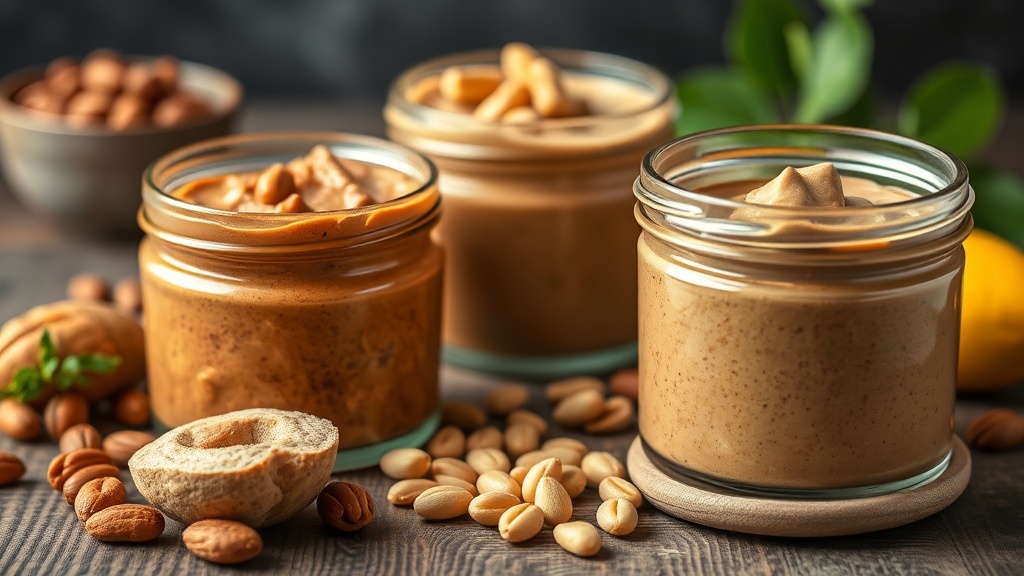
Make Your Own Nut Butters at Home for Less

In this guide, you will learn how to make various types of nut butters at home using a standard food processor or high-speed blender. We'll cover the specific ingredients you need, the step-by-step process for different textures, and how much money you can save compared to buying name-brand jars. Making your own nut butter isn't just about saving a few cents; it's about controlling exactly what goes into your family's food, specifically regarding added sugars and oils.
How Much Does Homemade Nut Butter Cost Compared to Store-Bought?
Homemade nut butter typically costs between $0.15 and $0.25 per ounce, whereas many premium store-bought brands can cost upwards of $0.50 per ounce. When you're looking at a 16-ounce jar of Justin's Nut Butter or Santa Cruz Organic, you're paying a significant markup for branding and packaging. By purchasing nuts in bulk, you're cutting out that middleman fee.
Let's look at the math for a standard 16-ounce batch of peanut butter. If you buy a large 5-pound bag of dry roasted peanuts, your cost per pound is much lower than buying small jars. Even when you factor in a little bit of honey or sea salt, the price per serving drops drastically. It's a simple way to keep your weekly grocery bill under that $50 mark without sacrificing quality.
| Nut Type (per lb) | Approx. Homemade Cost (16oz) | Approx. Store Brand Cost (16oz) |
|---|---|---|
| Peanuts | $1.50 - $2.00 | $3.50 - $4.50 |
| Almonds | $3.50 - $4.50 | $7.00 - $9.00 |
| Cashews | $5.00 - $6.00 | $10.00 - $12.00 |
| Sunbutter (Sunflower Seeds) | $2.00 - $2.50 | $5.50 - $7.00 |
The catch? You'll need a decent food processor. If you try to do this with a cheap, low-wattage blender, you might burn out the motor. (Trust me, I've been there—my first attempt with a tiny personal blender was a disaster.)
What Equipment Do You Need to Make Nut Butter?
To make smooth nut butter at home, you primarily need a high-speed food processor or a high-powered blender. While you can use a standard blender, a food processor is generally better because it handles the heavy, oily texture of ground nuts more efficiently without overheating.
Here is your basic toolkit:
- A Food Processor: This is the heavy lifter. It needs to have a strong motor to handle the friction.
- Rubber Spatula: You'll need to scrape the sides frequently to ensure everything is getting ground evenly.
- Measuring Spoons: For adding salt, sweeteners, or oils if your recipe calls for them.
- Glass Storage Jars: Once the butter is cool, you'll want to store it in airtight containers.
If you don't have a food processor yet, don't panic. You can also use a heavy-duty stand mixer with a paddle attachment, though it's a bit more labor-intensive. If you're on a strict budget, check your local thrift stores for a used food processor—they're often quite durable.
How to Make Smooth and Crunchy Nut Butters
The process for making nut butter follows a specific progression of textures: from powder to paste, and finally to a creamy liquid. The key is patience and heat management.
The Step-by-Step Process
- Roast the Nuts: Even if you buy pre-roasted nuts, a quick 5-10 minute toast in a pan or oven helps release the natural oils. This makes the blending process much easier.
- The Grind Phase: Start pulsing your nuts in the food processor. At first, they will look like coarse crumbs or a fine powder. Keep going.
- The Paste Phase: The powder will begin to clump together into a thick, heavy paste. This is where most people get nervous and add oil. Hold on!
- The Creamy Phase: Continue processing. The friction from the blades generates heat, which helps the oils release. Eventually, the paste will turn into a smooth, flowing liquid.
- Flavoring: Once it reaches your desired consistency, add your salt, honey, or a teaspoon of coconut oil if you want an even smoother texture.
A quick tip: If your nuts are feeling a bit dry or aren't turning into a paste, add a teaspoon of neutral-flavored oil (like grapeseed or avocado oil). Don't overdo it. You want to add oil sparingly to avoid a greasy mess.
It's also worth noting that different nuts have different oil contents. For example, almonds are much drier than cashews. If you're making almond butter, you'll likely need to process it for much longer than peanut butter. It might take 8 to 10 minutes of total processing time depending on your machine.
Variations to Try
Once you master the basic method, you can get creative. Since you aren't buying pre-made jars, you aren't limited to the standard flavors. You can make a "dessert" nut butter or a savory one for cooking. It's actually a great way to use up leftover spices or ingredients you already have in the pantry.
- Honey Roasted: Add a tablespoon of honey and a pinch of cinnamon during the last minute of blending.
- Chocolate Nut Butter: Stir in a little cocoa powder and a tiny bit of maple syrup once the butter is smooth.
- Savory Sesame (Tahini): Use toasted sesame seeds instead of nuts for a great base for dressings or hummus.
If you're looking for ways to use these nut butters in your meals, remember that they are incredibly versatile. You can use them in oatmeal, as a dip for fruit, or even in savory sauces. If you're looking for more ways to stretch your pantry staples, check out my post on 6 cheap grains to keep in your pantry.
How to Store Homemade Nut Butter
Because homemade nut butter lacks the preservatives and stabilizers found in commercial brands, it has a shorter shelf life. You should always store your nut butter in the refrigerator to prevent the oils from going rancid.
Generally, homemade nut butter will stay fresh for about 1 to 2 months in an airtight glass jar in the fridge. If you make a massive batch, I recommend freezing a small portion. You can actually freeze nut butter in ice cube trays, then pop the cubes into a freezer bag. This makes it easy to grab a "serving" for a smoothie or a quick snack without thawing the whole jar.
One thing to watch out for: separation. Since we aren't using emulsifiers, it's totally normal for a layer of oil to rise to the top. This isn't a sign that it's gone bad—it's just physics! When you're ready to use it, just grab a spoon and stir it back in. It's much better than the chemically-altered versions you find at the store.
If you ever notice a bitter or "off" smell, that's your cue that the oils have oxidized. When that happens, it's best to toss it. To prevent this, always use high-quality nuts and try to make smaller batches that your family can finish within a few weeks.
Making your own nut butter is a small change that yields big results for your budget and your health. It takes a little more time, but once you see how much cheaper it is than the name brands, you'll never go back to the store-bought stuff.
Steps
- 1
Roast your nuts to enhance flavor
- 2
Process in a high-speed blender or food processor
- 3
Add a touch of oil or honey if desired
- 4
Blend until smooth and creamy