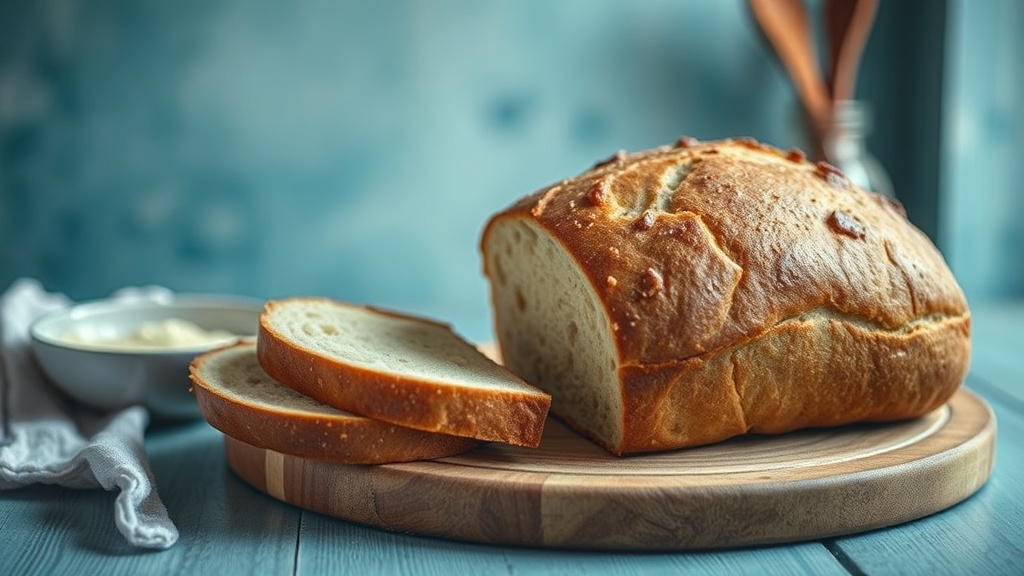
Make Your Own Homemade Bread with Just Four Ingredients

Nearly 80% of the bread sold in grocery stores contains preservatives and additives you won't find in a home kitchen. This guide shows you how to bake a basic, crusty loaf using just flour, water, salt, and yeast. Making your own bread isn't just about saving a few dollars—it's about knowing exactly what's going into your family's food.
Most people think bread making requires a fancy stand mixer or expensive equipment. It doesn't. You can make a beautiful loaf with a simple bowl, your hands, and a little patience. I used to think I couldn't bake because I didn't have a kitchen scale, but then I realized a standard measuring cup works just fine for basic recipes.
What Are the Ingredients for Basic Bread?
Basic bread requires only four pantry staples: flour, water, salt, and yeast. If you have these on hand, you're already halfway to a warm loaf of bread. I always keep a large bag of King Arthur Unbleached All-Purpose Flour in the pantry because it's reliable and consistent. For the yeast, I stick to Red Star Active Dry Yeast—it's affordable and works every single time.
- Flour: 3 cups (all-purpose or bread flour).
- Warm Water: 1.5 cups (think bathwater temperature, not boiling).
- Salt: 1.5 teaspoons (don't skip this, or it'll taste bland).
- Yeast: 1 packet or 2.25 teaspoons of active dry yeast.
A quick tip from my kitchen counter: make sure your water isn't too hot. If the water is over 120°F, you'll kill the yeast (and that's a waste of a good bag of flour). You want it warm enough to melt sugar, but not so hot it stings your finger.
If you're worried about the cost of these ingredients, remember that flour is one of the cheapest items per pound in the grocery store. You can even stretch your grocery dollar with smart bulk grain strategies by buying your flour in larger quantities when it's on sale.
How Much Does Homemade Bread Cost to Make?
A single loaf of homemade four-ingredient bread typically costs less than $1.00 to produce. When you compare this to a $5.00 loaf of artisanal sourdough from a local bakery, the savings are massive. Over a year, making your own bread can save a family hundreds of dollars.
| Item | Estimated Cost per Loaf |
|---|---|
| Flour (3 cups) | $0.25 |
| Water & Salt | $0.05 |
| Yeast (2.25 tsp) | $0.40 |
| Total | $0.70 |
The math is pretty simple. Even if you use high-quality organic flour, your cost per loaf stays incredibly low compared to buying pre-made bread. This is one of those small wins that adds up quickly when you're feeding a family of five.
The Step-by-Step Process
- Mix the dry ingredients: In a large bowl, whisk your flour and salt together.
- Activate the yeast: Pour the warm water into a small measuring cup, stir in the yeast, and let it sit for 5 minutes until it looks slightly foamy.
- Combine: Pour the yeast mixture into the flour. Stir with a wooden spoon until a shaggy dough forms.
- Knead: Turn the dough out onto a floured surface. Knead it with your hands for about 8-10 minutes. It should feel smooth and elastic, not sticky.
- First Rise: Place the dough in a lightly oiled bowl. Cover it with a damp cloth and let it rise in a warm spot for about an hour, or until it has doubled in size.
- Shape: Gently punch the dough down and shape it into a loaf. Place it on a baking sheet or in a greased loaf pan.
- Second Rise: Let the shaped loaf rise for another 30-45 minutes.
- Bake: Bake at 375°F (190°C) for 30 to 35 minutes. The bottom should sound hollow when you tap it.
Don't worry if your first loaf looks a little wonky. It might not be perfectly symmetrical, but it'll still taste way better than the stuff with a long shelf life. Real bread is supposed to look a little rustic—it's not a competition!
Can I Make Bread Without a Stand Mixer?
Yes, you can absolutely make bread without a stand mixer by using your hands to knead the dough. While a machine does the heavy lifting, manual kneading is actually a great way to feel the texture of your dough and ensure it's developed properly. If you're a beginner, I actually recommend kneading by hand because you can feel exactly when the gluten has developed.
If you find the dough is too sticky to handle, just add a tiny bit more flour one tablespoon at a time. Don't overdo it, though—too much flour makes the bread dense and heavy. It's a delicate balance.
For more information on the science of how yeast works, you can check out the Wikipedia page on Yeast. It's a fascinating biological process that turns simple flour and water into something delicious.
"The secret to great bread isn't a fancy machine; it's the patience to let the dough rise at its own pace."
I've had days where I was too tired to knead, so I'd just let the dough sit in the fridge overnight. This "cold ferment" method actually improves the flavor and makes the dough much easier to handle the next day. It's a lifesaver on busy weeknights.
If you're looking to build a full menu around your homemade bread, check out my post on 10 delicious budget-friendly meals. A thick slice of homemade toast with eggs or even just a bit of butter makes a perfect, inexpensive breakfast.
One thing to keep in mind: homemade bread doesn't stay soft for as long as store-bought bread. Since we aren't using the chemical softeners found in commercial brands, it will naturally go stale after a day or two. I usually slice my loaf and freeze what I can't eat right away. It toasts up perfectly from frozen!
The nutritional profile of homemade bread is also much better for you. You aren't consuming the additives and high-fructose corn syrup that often hide in the "enriched flour" of commercial loaves. It's a small change, but it's a big win for your family's health.
Sometimes I'll add a teaspoon of honey or a bit of dried rosemary to the dough just to change things up. It doesn't change the four-ingredient foundation, but it adds a little bit of character. You don't need much to make it feel special.
If you're ever feeling stuck with leftover bread that's gone a little hard, don't toss it! You can use it for French toast or even turn it into breadcrumbs. It's part of that zero-waste mindset I try to live by.
The most important thing is to just start. Don't wait until you have the "perfect" kitchen setup. Grab a bag of flour, some yeast, and just try it. Your kitchen will smell amazing, and your family will thank you for the fresh, warm bread.
Steps
- 1
Mix your dry ingredients and water
- 2
Knead the dough until smooth
- 3
Let the dough rise in a warm spot
- 4
Bake until golden brown