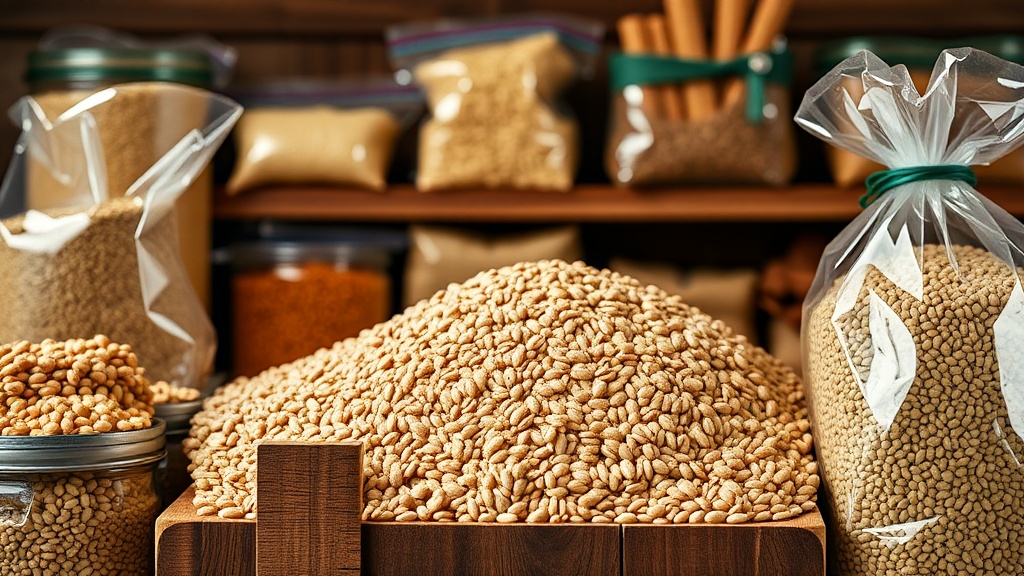
Stretch Your Grocery Dollar with Smart Bulk Grain Strategies

Most people think that eating well on a budget means buying cheap, processed snacks or heavy starches that leave you feeling sluggish by 3:00 PM. They believe that if they aren't buying expensive organic produce or premium protein, they're settling for low-quality nutrition. That's a complete misconception. Real-food nutrition—the kind that actually fuels your body—doesn't require a high-end grocery list. It requires a shift in how you view your pantry staples. By focusing on high-quality, bulk-bought grains and legumes, you can build a nutritional foundation that keeps your family full without draining your bank account.
When I was working as a dental hygienist, I saw firsthand how much diet impacts overall wellness. Now, as a mom, I realize that managing a budget isn't just about spending less; it's about spending smarter. If you focus your budget on versatile, nutrient-dense grains rather than pre-packaged convenience meals, you'll find your grocery bill drops significantly while your meal quality actually goes up.
Why should I buy grains in bulk?
If you've ever walked down the spice or baking aisle and felt overwhelmed by the prices, you aren't alone. The biggest mistake I see is people buying small, single-serving bags of quinoa, farro, or brown rice. Those little bags are expensive because you're paying for the packaging and the convenience. When you buy from the bulk bins or in larger, heavy-duty bags, the price per ounce drops drastically.
Buying in bulk allows you to build a pantry that works for you. A large bag of oats or a massive sack of jasmine rice isn't just food—it's a safety net. These items have a long shelf life, meaning you can stock up when they're on sale and not have to worry about a sudden trip to the store when the kids are hungry. It's about creating a stable food environment for your household.
Here is a quick look at how the cost changes when you shift from pre-packaged to bulk-style shopping:
| Item | Pre-Packaged Price (Est.) | Bulk/Large Bag Price (Est.) | Savings Potential |
|---|---|---|---|
| Brown Rice (1lb) | $1.99 | $0.85 per lb | ~57% |
| Quinoa (8oz) | $4.50 | $2.10 per lb | ~50% |
| Rolled Oats (Small Box) | $3.50 | $0.60 per lb | ~60% |
It’s not just about the math, though. It’s about the versatility. One bag of oats can become breakfast porridge, a base for a smoothie, or even a binder for veggie burgers. That's the kind of flexibility a busy mom needs.
How can I keep grains fresh for longer?
One of the biggest frustrations I hear from readers is that their bulk-bought goods go stale or even attract pests. I've been there. You buy a huge bag of flour or grain, and a month later, it's useless. To prevent this, you need a storage strategy that goes beyond just leaving the bag on the counter.
First, invest in airtight glass or BPA-free plastic containers. Plastic bags with clips are okay for a few days, but for long-term storage, you want a seal that keeps air and moisture out. If you're dealing with much larger quantities, keep in mind that many grains—especially whole grains—contain natural oils that can go rancid if exposed to heat or light. Keeping your grains in a cool, dark pantry is a simple way to protect your investment.
For even better protection, especially if you're buying things like flaxseed or even certain types of nuts, keeping them in the refrigerator or freezer can extend their life by months. This is a great way to ensure you aren't wasting the money you worked so hard to save. If you want to learn more about food safety and proper storage, the