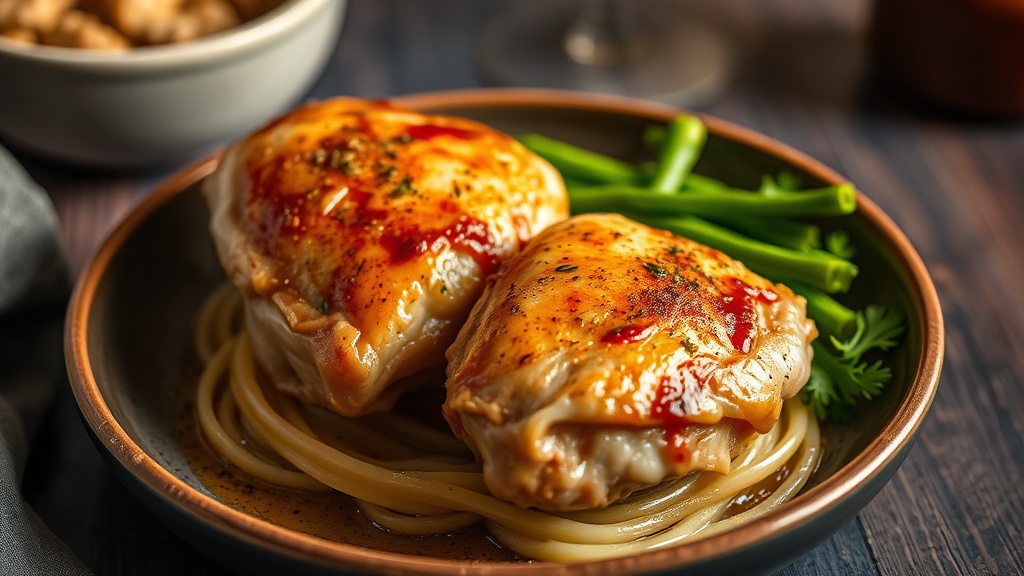
Why Bone-In Chicken Thighs Belong in Your Weekly Rotation

Fresh Isn't Always Better — And Other Grocery Myths Costing You Money
We've all stood in the meat aisle, reaching automatically for those neat trays of boneless, skinless chicken breasts. They're convenient, sure — but that convenience comes with a hefty markup. The real secret that budget-minded cooks have known for generations? Bone-in chicken thighs deliver more flavor, better texture, and significantly more value per pound than their boneless counterparts. If you're feeding a family on a tight grocery budget, understanding when to choose which cut can transform your weekly meal plan without requiring extra cooking skills.
What Makes Chicken Thighs the Smarter Choice for Budget Cooking?
The math is straightforward once you look past the sticker price. Bone-in chicken thighs typically cost 40-60% less per pound than boneless breasts. A family pack of thighs often runs $1.49-$1.99 per pound compared to $3.49-$4.99 for boneless breasts. When you're cooking for five or six people several nights a week, that difference compounds quickly.
But this isn't just about saving a few dollars. Thighs contain more fat than breasts — which means they're harder to overcook and dry out. That forgiving nature matters when you're managing homework help while dinner simmers on the stove. The bone adds flavor to the meat and creates opportunities for homemade stock later. And yes, you can absolutely remove the bones yourself with a sharp knife and about thirty seconds of practice.
How Do You Break Down Chicken Thighs at Home?
If the bone intimidates you, here's the simple technique: place the thigh skin-side down on your cutting board. You'll see a line of fat running along one side — that's where the bone sits. Slide your knife along one side of the bone, then the other, angling the blade to follow the bone's curve. Scrape the meat away, and you're left with a boneless thigh and a bone perfect for stock.
Don't want to deal with bones at all? Cook them whole. Bone-in thighs work beautifully in the oven, slow cooker, or Instant Pot. The bone conducts heat and helps the meat cook evenly. After dinner, toss those bones in a freezer bag. When you have enough, cover them with water, add vegetable scraps and a splash of vinegar, and simmer for a few hours. Homemade stock costs essentially nothing when you're using bones you'd otherwise discard, and it outperforms anything from a can.
What's the Best Way to Cook Chicken Thighs for Picky Eaters?
Here's where thighs really shine — they're versatile. That extra fat means they stay juicy even when cooked to higher internal temperatures. For crispy skin, pat them dry, season generously with salt, and roast at 425°F for about 35-40 minutes. The skin renders beautifully while the meat underneath stays tender.
For weeknight ease, try a simple marinade: soy sauce, honey, garlic, and a splash of vinegar. Marinate in the morning before work, then bake or pan-fry when you get home. The sugar in the honey helps create a gorgeous caramelized exterior. Serve over rice with the pan drippings spooned on top — restaurant quality for a fraction of the cost.
Shredded thigh meat works anywhere you'd use chicken breast. After roasting, let them cool slightly, then pull the meat off the bones with two forks. The texture is actually superior for tacos, soups, and casseroles because it stays moist rather than stringy. Try swapping thighs into your favorite chicken soup recipe — you'll notice the difference immediately.
When Are Chicken Breasts Actually Worth the Extra Cost?
I'm not suggesting you banish breasts entirely. There are legitimate times to choose them. If you're cooking for someone tracking macros strictly — thighs have about 50% more fat than breasts — the leanner cut makes sense. Some dishes, like chicken piccata or cordon bleu, really do work better with the uniform thickness of a pounded breast.
But for everyday family dinners, the premium you're paying for that uniformity and leanness rarely justifies itself. You're essentially paying the butcher to remove bones you could handle yourself in seconds, and accepting meat that's easier to ruin through overcooking.
Budget Stretching Strategies for Poultry Shopping
The real pros mix their proteins strategically. Buy a whole chicken occasionally — it's the absolute cheapest per-pound option — and practice breaking it down yourself. You'll get two breasts, two thighs, two drumsticks, plus wings and a carcass for stock. Learning to butcher a whole bird takes one YouTube video and fifteen minutes of practice.
Watch for sales on family packs of thighs and freeze portions in usable amounts. I separate them into bags of four or six depending on what my typical recipes call for. Label with the date — properly frozen chicken keeps for about nine months, though we rarely let it sit that long.
Consider buying direct from local farms when possible. Many small operations sell pastured chicken for less than supermarket organic prices, and you'll often get better quality for your dollar. Check LocalHarvest to find farms near you.
Practical Recipes That Start with Thighs
Ready to put this into practice? Here are three reliable approaches that work every time:
Sheet Pan Dinner: Arrange thighs on a baking sheet surrounded by chopped potatoes, carrots, and onions. Toss everything with olive oil, salt, pepper, and whatever dried herbs you have. Roast at 425°F for 40 minutes. One pan, minimal cleanup, complete meal.
Slow Cooker Curry: Brown thighs in a skillet first — this step matters for flavor — then transfer to the slow cooker with a can of coconut milk, a tablespoon of curry powder, a diced onion, and a handful of red lentils. Cook on low for 6 hours. Serve over rice.
Weeknight Tacos: Season thighs with cumin, chili powder, garlic powder, and salt. Pan-fry until cooked through, then chop roughly. Serve with warm tortillas, salsa, and whatever vegetables need using up in your crisper drawer.
The common thread in all these approaches? They don't require precise timing, expensive ingredients, or advanced techniques. They're forgiving recipes designed for real home cooks managing real life — crying toddlers, ringing phones, and the perpetual question of what's for dinner.
The best budget cooking advice isn't about deprivation — it's about knowing which shortcuts are worth taking and which ones quietly drain your grocery budget without improving your meals.