What's for Dinner When the Grocery Budget Is Gone? 8 Pantry Meals That Actually Satisfy

How do you feed a family when payday feels impossibly far away?
We've all been there—you open the refrigerator and find nothing but condiments, a lonely carrot, and leftover takeout rice from who-knows-when. The grocery budget has evaporated (those school supply costs hit harder than expected, didn't they?), but hungry stomachs don't care about your bank account. The good news? A well-stocked pantry—those shelves of dried goods, canned items, and basics you bought on sale weeks ago—is your insurance policy against dinner panic. This isn't about scraping by on boring bowls of plain pasta or forcing down yet another peanut butter sandwich. These are real meals—filling, flavorful, and genuinely satisfying—that come together from shelf-stable ingredients you probably already have. No fresh produce required. No last-minute store runs. Just honest, kitchen-counter cooking that stretches what you've got into something your family will actually want to eat.
What pantry staples should you always keep on hand?
Before we get to the meals, let's talk about the foundation. A strategic pantry isn't about hoarding random cans—it's about keeping versatile ingredients that work together. Think dried lentils (they cook in twenty minutes, unlike beans that need soaking), canned tomatoes in multiple forms (diced, crushed, paste), multiple grain options (rice, oats, pasta, maybe some quinoa if you found it on clearance), and flavor builders like dried onions, garlic powder, bouillon cubes, and a solid collection of spices.
Don't overlook fats and acids—they're what transform bland staples into craveable food. A bottle of decent olive oil, some vinegar (apple cider works great), soy sauce, and a jar of peanut butter will take you surprisingly far. Canned proteins like tuna, salmon, and beans aren't just backup plans; they're legitimate nutrition that keeps for years. And always—always—have a bag of all-purpose flour and some baking powder. Flatbreads, dumplings, and quick breads turn simple soups and stews into proper feasts. Store these basics properly (cool, dark, dry places for everything) and you'll never truly be out of dinner options.
How do you turn rice and beans into a meal worth eating?
Rice and beans get a bad reputation as punishment food—the kind of thing you eat when you've given up on joy. But that's because most people don't build enough flavor. Start with aromatics: even dried onion flakes and garlic powder, sautéed in oil, create a foundation. Add your canned tomatoes (crushed work best here) and a heavy hand of spices—cumin is non-negotiable for that earthy, warm quality, while smoked paprika adds depth that tastes almost meaty.
Here's the technique: cook your rice separately so it stays fluffy, then combine it with a thick, well-seasoned bean mixture. The contrast in textures matters—mushy everything is what gives budget food its sad reputation. Top it with whatever you've got: a drizzle of hot sauce, a spoonful of peanut butter stirred into the beans for creaminess and protein, or even crushed crackers for crunch. This isn't fancy cooking—it's smart cooking. A single cup of dried rice and two cans of beans feeds four people generously, costs under three dollars, and provides complete protein when you combine the grains and legumes. Add a simple side of pan-fried plantains if you have them, or just call it done. It's dinner. It works.
What's the easiest cheap dinner when you're completely exhausted?
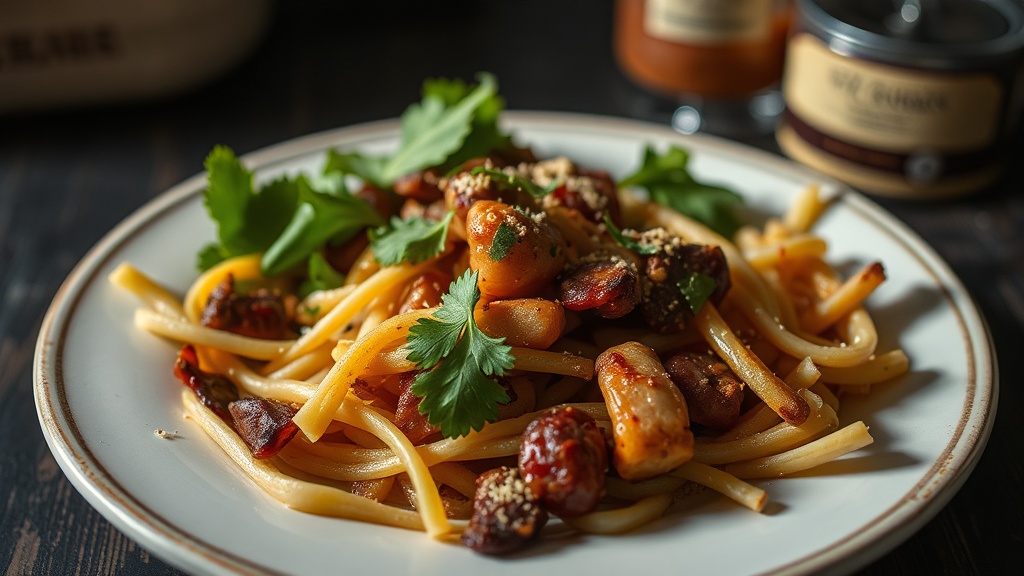
Some nights, even chopping an onion feels like too much. Enter the pasta pantry principle: dried pasta + canned tomatoes + fat + heat = dinner. The classic aglio e olio (garlic and oil) requires nothing but spaghetti, olive oil, garlic powder, and red pepper flakes. The trick is building a sauce in the pasta water itself—save that starchy, salty liquid before you drain. Whisk it with your oil and seasonings off the heat, then toss your hot pasta directly into the mixture. The starch emulsifies everything into a silky coating that clings to every strand.
Another dead-simple option: egg drop soup. Bring chicken bouillon to a boil, drizzle in beaten eggs while stirring slowly, and you've got protein-rich comfort in five minutes. Add dried corn or frozen vegetables if you have them, but it's perfectly good plain. Serve over rice if you want it heartier, or with buttered toast for dipping. The point isn't impressing anyone—it's feeding people without draining your last reserves of energy. These aren't meals for your Instagram feed; they're meals for real life, for the nights when the kids are cranky and you've got a headache and everyone still needs to eat. They work. That's what matters.
How do you make pantry pasta taste like something special?
Pasta is the ultimate blank canvas, but blank canvases need paint. Start with the tomato base: canned whole tomatoes, crushed by hand (wear an apron—this gets messy), cooked down with dried herbs and a spoonful of sugar to balance the acidity. The hand-crushing matters here—canned diced tomatoes have calcium chloride added to keep them firm, which means they never break down into proper sauce. Whole tomatoes don't have this additive, so they melt into silky, rich perfection.
From there, build layers. A can of tuna, flaked and stirred in at the end, creates a classic Mediterranean-style sauce. Cannelini beans mashed with some pasta water make a creamy, protein-packed coating. Or go the peanut butter route—whisk it with soy sauce, vinegar, and hot water for a quick satay-style sauce that coats noodles beautifully. The secret to all of these is the pasta water—that liquid gold full of starch helps emulsify fats and create coating sauces rather than watery puddles at the bottom of your bowl. Reserve at least a cup before draining. Always. This one habit will transform your cooking, whether you're using pantry staples or fresh farmers market hauls.
Can canned vegetables ever taste like real food?
Here's the honest truth: canned vegetables have a different texture than fresh. The canning process softens them considerably, which means they work best in applications where that softness is an asset rather than a liability. Canned green beans in a long-simmered stew? They absorb flavors beautifully and add substance. Canned corn stirred into cornbread batter? Sweet bursts in every bite. Canned pumpkin (not pie filling—the plain stuff) makes quick breads, soups, and even pasta sauces with a silky texture you can't replicate with fresh squash without considerable effort.
The key is treating canned vegetables as ingredients, not side dishes. Don't just heat and serve—that's where the sad, institutional food reputation comes from. Instead, roast canned chickpeas until crispy for topping salads. Caramelize canned corn in a hot pan with some oil until it chars and sweetens. Puree canned tomatoes with white beans for a creamy, protein-rich soup. And always, always drain and rinse canned vegetables (except tomatoes)—this removes excess sodium and that slightly metallic canned flavor. You're not compromising by using these staples; you're being resourceful. There's a difference, and that difference feeds your family without apology.
What about breakfast-for-dinner options?
Breakfast foods are often the cheapest to make from pantry staples—flour, eggs (if you have them), oats, and sugar can become dozens of different meals. Pancakes work perfectly for dinner, especially when you add a can of pumpkin or some mashed banana you stashed in the freezer. Serve them with peanut butter instead of syrup for extra protein that keeps everyone full until morning. Oatmeal isn't just for breakfast either—savory oatmeal, cooked with bouillon and topped with a fried egg and soy sauce, is a legitimate dinner that's both comforting and nutritious.
Then there's the humble frittata—or as my family calls it, "egg bake with whatever's left." If you have eggs, you have dinner. Whisk six to eight eggs with a splash of water, pour over sautéed onions (dried work fine here), canned vegetables, and any cheese ends hiding in your drawer. Bake at 375°F until set—about twenty-five minutes. Serve with toast, or over rice, or just as-is. The protein keeps everyone satisfied, and the vegetable add-ins stretch those eggs to feed more people. It's the kind of flexible, use-what-you-have cooking that makes budget living feel sustainable rather than restrictive. Because at the end of the day, that's the goal—not just surviving until payday, but feeding your people well throughout the entire month.