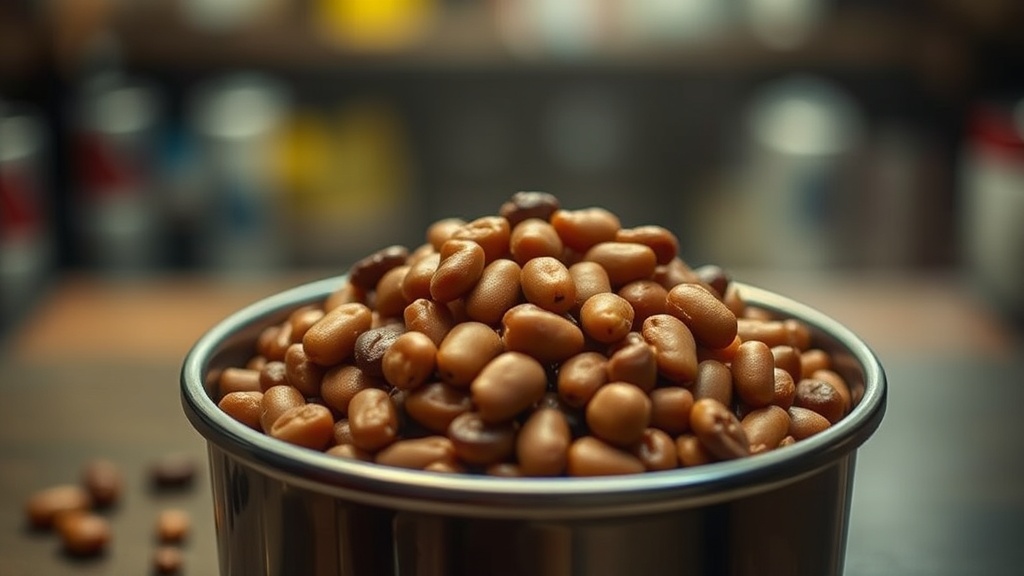
The Real Cost of Canned vs Dried Beans for Families

Did you know a single pound of dried black beans yields about seven cups of cooked protein for roughly $1.50? Compare that to a single can—which costs about $1.00 for less than two cups—and you’ll see the math starts working in your favor almost instantly. This guide covers how to transition from expensive cans to bulk bags without losing your mind (or your entire Saturday). We’ll look at soaking methods, cooking times, and how to keep those beans from turning into a mushy mess. When you’re trying to feed a family of five on a tight budget, these small shifts in how you shop are what keep you from going into the red at the end of the month.
Why are dried beans cheaper than canned ones?
It mostly comes down to weight and shipping costs. When you buy a can of beans, you’re paying for the metal, the label, the processing plant's electricity, and—most importantly—the water sitting inside that can. Water is heavy. Shipping thousands of heavy cans across the country requires a lot of fuel, and the grocery store passes those costs directly to you. A bag of dried beans is lightweight, shelf-stable for years, and takes up almost no space. You’re essentially buying the "concentrated" version of the food and adding the water yourself at home for pennies.
From a nutritional standpoint, dried beans also give you more control. Canned versions are often loaded with sodium to help preserve the texture and flavor. Even the "low sodium" versions can be surprisingly high in salt. When you cook them yourself, you decide exactly how much salt goes into the pot. According to the USDA FoodData Central, legumes are one of the most cost-effective sources of potassium and fiber available in the modern grocery store. For a former dental hygienist like me, I also think about the texture; properly cooked beans have a firm bite that’s much better for your jaw health than the mush you often find in a tin can.
Then there’s the issue of BPA. Many cans are lined with Bisphenol A, a chemical that some people prefer to avoid in their kitchens. While many companies are moving away from it, buying dried beans in a simple plastic or paper bag removes that worry entirely. You’re getting a cleaner product for about a third of the price. If you’re skeptical about the flavor, just remember that every high-end restaurant is soaking their own beans from scratch—they aren’t opening cans in the back. The flavor of a bean cooked with a few cloves of garlic and a bay leaf is worlds apart from the metallic tang of the canned variety.
Do you really have to soak beans overnight?
This is the number one question I get from moms who want to save money but feel like they’re already drowning in chores. The short answer is: no, but your life will be easier if you do. Soaking serves two purposes. First, it softens the outer skin so the beans cook more evenly (and faster). Second, it helps break down some of the complex sugars—specifically oligosaccharides—that cause gas and bloating. If you’ve ever avoided beans because they make your kids "musical," a good long soak followed by a thorough rinse is your best friend.
If you forgot to put the beans in water before you went to bed, don’t panic. You can use the "power soak" method. Put your dried beans in a large pot, cover them with plenty of water, and bring the whole thing to a rolling boil for two minutes. Turn off the heat, put a lid on the pot, and let them sit for an hour. After that hour is up, drain them, rinse them, and start your actual cooking process. It’s a great middle-ground that still saves you hours of simmering time later in the day. Some people even swear by the "no-soak" method in a slow cooker, where you just toss them in with water and cook on low for eight hours. This works well for black beans and pintos, though I’d avoid it for kidney beans because they contain a natural toxin that needs to be boiled off to be safe.
The Harvard Nutrition Source points out that legumes are a key part of a heart-healthy diet, and the soaking process doesn’t strip away those benefits. One trick I’ve learned over the years is to use a large bowl—much larger than you think you need. Beans can triple in size as they rehydrate. If you use a small bowl, you’ll wake up to a dry, expanded mess on your kitchen counter. Aim for at least three inches of water above the bean line. (And if you’re worried about the water bill, don’t be—we’re talking about pennies per month here).
What are the best ways to flavor budget beans?
Cooking beans in plain water is the fastest way to make your family hate them. To get that rich, savory flavor that makes a meal feel "real" and not just "cheap," you need to use aromatics. I always keep the "trash" from my vegetables for this. The skins from onions, the ends of carrots, and the stems from parsley all go into the pot while the beans simmer. You aren’t eating these bits; you’ll strain them out later, but they add a depth of flavor that water alone can’t touch. A single bay leaf—which costs about five cents when bought in bulk—makes a huge difference too.
Fat is another important element. If you aren’t vegetarian, a small piece of salt pork, a ham hock, or even a few strips of bacon can transform a pot of pinto beans into a main event. If you’re keeping it meat-free, a tablespoon of olive oil or even a leftover parmesan rind (keep these in your freezer!) will give the broth a silky, rich mouthfeel. Salt is a point of contention among cooks—some say it toughens the skins if added too early—but I’ve found that salting the soaking water actually helps the beans stay intact during the long simmer. Just don’t overdo it at the start, because the liquid will reduce and the saltiness will concentrate.
Acid is the final secret. Right before you serve those beans, add a squeeze of lime juice or a teaspoon of apple cider vinegar. This "wakes up" the flavors and cuts through the earthiness of the beans. It’s the difference between a bowl of brown mush and a vibrant, professional-tasting meal. My kids didn’t like black beans until I started adding lime and a little bit of cumin at the very end. Now, they ask for "bean tacos" twice a week, which makes me happy because I know they’re getting high-quality fiber and protein for a fraction of the cost of chicken or beef. According to the CDC, getting enough fiber is vital for maintaining steady energy levels—which is something every busy mom needs.
I usually cook a double batch of whatever I’m making. A two-pound bag of beans fills a large stockpot, and once they’re cooled, I portion them into freezer bags with a little bit of their cooking liquid. These bags stay good for months and can be dropped into soups or stews just like a can of beans. It takes a little planning on Sunday, but it saves me from the temptation of ordering pizza on a Tuesday night when I’m too tired to think. Plus, you’re not dealing with the clutter of empty cans in your recycling bin every week. As a former dental hygienist, I always tell people that the minerals in beans—like magnesium and phosphorus—are great for keeping your tooth enamel strong. It’s a win for your wallet and your health.
When you're dealing with different types of beans, remember that they all have different "personalities." Chickpeas (garbanzo beans) are the toughest and usually require the longest soak and cook time. They’re fantastic for homemade hummus or roasting with a bit of salt for a crunchy snack for the kids' lunches. Lentils, on the other hand, don't need soaking at all and cook in about twenty minutes, making them the "emergency" budget food of choice. Black beans are my favorite for taco nights because they hold their shape well and absorb spices like a sponge. Pinto beans are the classic choice for "refried" beans—just mash them up with a little bit of their cooking liquid and some sautéed onion.
Don't be afraid to experiment with the cooking liquid itself. Some people use chicken or vegetable broth instead of water for an even richer result. If you do this, watch your salt levels carefully. I often use a mix of half water and half broth to save even more money while still getting that boost of flavor. If you find your beans are still hard after hours of cooking, it might be because your beans are old (they do eventually dry out too much) or because you have "hard" water with high mineral content. Adding a tiny pinch of baking soda to the pot can help soften them up if you're struggling with stubborn beans.
| Bean Type | Soak Time | Cook Time (Stovetop) | Best Use |
|---|---|---|---|
| Black Beans | 8-12 Hours | 60-90 Minutes | Tacos, Soups, Salads |
| Pinto Beans | 8-12 Hours | 90-120 Minutes | Refried Beans, Burritos |
| Chickpeas | 12-24 Hours | 2-3 Hours | Hummus, Curries |
| Kidney Beans | 8-12 Hours | 60-90 Minutes | Chili, Cold Salads |
| Navy Beans | 8-12 Hours | 60-90 Minutes | Baked Beans, White Chili |
Once you get into the rhythm of soaking beans on the weekend, you’ll start to wonder why you ever paid a premium for the canned stuff. It’s one of those kitchen skills that feels intimidating until you do it once, and then it becomes second nature. Your grocery bill will thank you, your family will be better fed, and you’ll have one less heavy bag to carry from the car to the kitchen. It’s simple, honest cooking that works for real life.