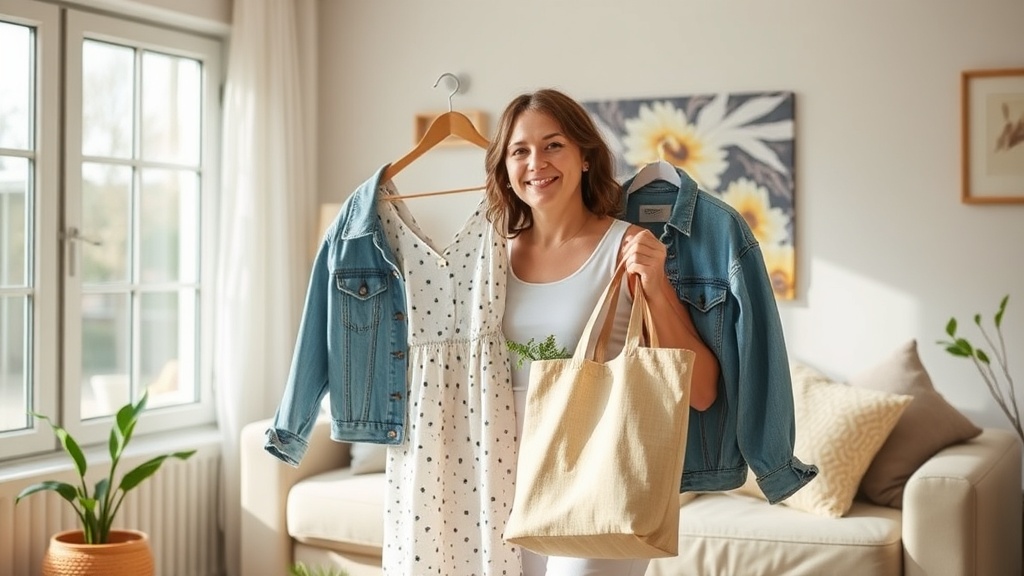
Spring Wardrobe Refresh: Sustainable Budget Fashion Tips

How can I refresh my closet for spring fashion without breaking the bank?
Every March I stare at my kids' growing wardrobes and wonder how to keep us looking fresh without spending a fortune. The good news? Sustainable fashion and budgeting go hand‑in‑hand. By treating my closet like a pantry—checking what I have, planning swaps, and repurposing pieces—I’ve saved hundreds while staying eco‑friendly.
What are the best ways to swap clothes without spending a dime?
Clothing swaps are the budget‑friendly equivalent of a garage sale. Here’s my step‑by‑step plan:
- Organize a swap night. Invite friends, neighbors, or fellow moms. Set a simple rule: only bring items you’ve worn less than three times and are in good condition.
- Create a “swap scorecard.” Assign points based on item condition, brand, and versatility. It turns the exchange into a fun game and ensures fair trades.
- Use community boards. Local Facebook groups or Nextdoor often have dedicated “clothing swap” threads. Post a clear photo and a short description; you’ll be surprised how quickly people respond.
Last spring I swapped a pair of denim jeans for a breezy linen shirt—saving $25 and adding a fresh spring staple.
How can I upcycle old pieces into something new?
Upcycling is my secret weapon for turning “meh” into “wow.” A few quick ideas:
- Turn an oversized tee into a crop top. Cut, hem, and you’ve got a trendy piece for under $5 in thread.
- Transform a button‑down into a stylish dress. Add a belt and a few tailoring tweaks—no sewing machine needed.
- Patchwork denim jackets. Use fabric scraps from old shirts; it adds color and reduces waste.
My kids love wearing my upcycled denim jackets, and I’ve cut my summer jacket budget by $30.
What is a capsule wardrobe and how does it save money?
A capsule wardrobe is a curated collection of interchangeable pieces that work together for an entire season. The magic is in the mix‑and‑match potential.
For spring, I start with five core items:
- Neutral cardigan
- Lightweight chambray shirt
- Pair of high‑waist jeans
- Flowy midi dress
- Versatile sneakers
From there, accessories—scarves, belts, statement jewelry—create dozens of looks. The result? Fewer impulse buys and a closet that feels fresh every day.
How do I find affordable sustainable fabrics?
Look for these budget‑friendly options:
- Organic cotton. Often sold in bulk at discount retailers; a yard can cost as little as $8.
- Tencel. Made from sustainably harvested wood pulp, it’s soft, breathable, and typically 20‑30% cheaper than bamboo.
- Recycled polyester. Look for “r‑poly” tags on sportswear; they’re often on sale during seasonal clear‑outs.
These fabrics feel premium without the premium price tag.
Where can I learn more about sustainable fashion trends?
Recent data shows a 20% jump in consumer interest for eco‑friendly clothing lines as retailers roll out spring collections. Coherent Market Insights reports the global sustainable fashion market is projected to hit $17.8 billion by 2032, growing at a 9.9% CAGR.
Other great reads include TheRoundup’s 2026 sustainable fashion statistics and Accio’s trend analysis.
How can I blend these fashion tips with my family’s budget?
Combine the above strategies with a simple spreadsheet—just like I do for grocery budgeting. Track each swap, upcycle project, or capsule piece and note the saved amount. Over a season, you’ll see the total add up, often offsetting the cost of a few new items.
Takeaway
Refreshing your closet this spring doesn’t have to mean splurging on fast fashion. By swapping, upcycling, building a capsule, and choosing affordable sustainable fabrics, you can keep your family stylish, eco‑conscious, and under budget. Try one tip this week, log the savings, and watch your wardrobe—and wallet—bloom.
For more budget‑friendly ideas, check out my Spring Home Refresh guide, the store‑brand swap list, and the plant‑based budget meal plan. Need tech help? My grocery‑app roundup has you covered.