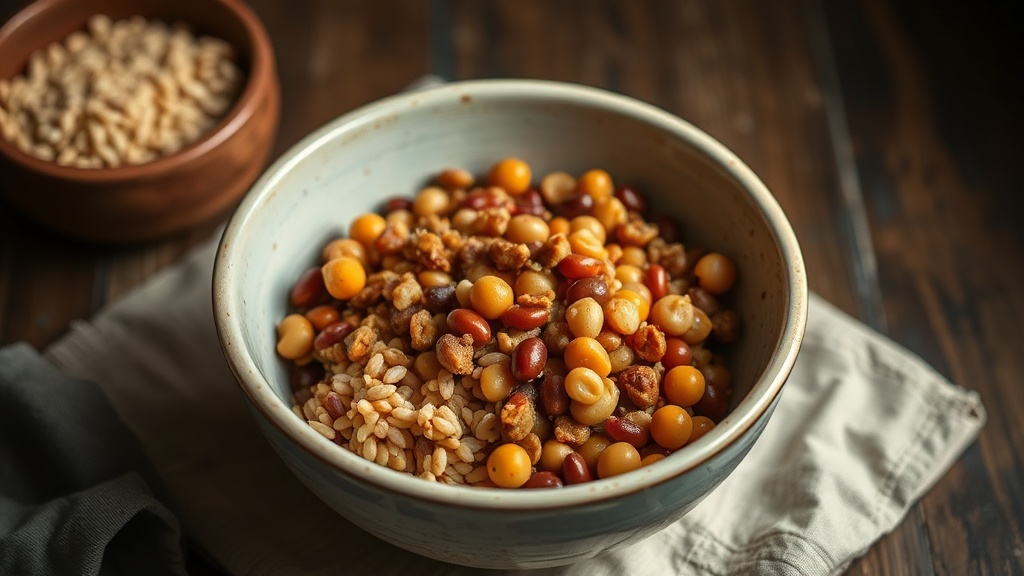
Pantry Alchemy: Turning Leftover Grains and Legumes into Gourmet Staples

Imagine opening your pantry on a Tuesday night to find nothing but a half-empty bag of dried black beans, a single leftover cup of cooked quinoa from Sunday's dinner, and a jar of sun-dried tomatoes. In many households, this is the moment the "emergency" pizza delivery order is placed. However, with a few strategic shifts in how you view these base ingredients, that same collection of items becomes the foundation for a Mediterranean-inspired grain bowl or a hearty black bean and quinoa chili. This is the essence of pantry alchemy: treating leftover grains and legumes not as "scraps," but as pre-prepped components for your next high-quality meal.
The Foundation: Understanding Your Base Ingredients
To transform leftovers effectively, you must understand the texture and moisture content of what you have on hand. Grains and legumes are highly versatile, but they behave differently once they have been cooked and cooled. A grain that was cooked in vegetable broth will have a different flavor profile and structural integrity than one cooked in salted water. When you are working with leftovers, you are essentially working with "pre-processed" ingredients that require minimal heat to become a complete meal.
The Grain Spectrum
Grains like brown rice, farro, barley, and quinoa serve as the structural backbone of budget-friendly meals. When these grains sit in the refrigerator, they often lose moisture and become slightly firm or even "clumpy." This is actually an advantage for certain techniques. For example, cold, slightly firm rice is the ideal base for a fried rice or a crispy grain salad because it won't turn into mush when hit with a hot pan or a heavy dressing.
- Quinoa: Excellent for cold salads. If it's too dry, a quick toss with a tablespoon of warm lemon juice and olive oil can revive the texture.
- Farro or Barley: These chewy grains are perfect for hearty soups. They can absorb much more liquid than rice, making them ideal for thickening a stew.
- White or Brown Rice: The ultimate canvas for stir-fries or "bowl" style meals.
The Legume Layer
Legumes—such as chickpeas, lentils, black beans, and kidney beans—provide the protein and fiber necessary to make a meal satiating. Whether you are using canned beans or leftovers from a batch of dried beans you cooked on Sunday, the goal is to manipulate their texture to suit the dish. A soft, creamy texture works for dips or stews, while a roasted, crunchy texture works for toppings and salads.
Technique 1: The Art of the "Warm Refresh"
The biggest mistake people make with leftover grains is simply microwaving them until they are steaming and mushy. Instead, use the "Warm Refresh" method to restore texture and flavor. If you have leftover cooked lentils or beans that feel a bit flat, do not just heat them up. Instead, sauté them in a small skillet with a teaspoon of coconut oil or butter and a pinch of smoked paprika.
This method does two things: it adds a much-needed fat component for satiety and introduces a new flavor profile that moves the dish away from its original state. If you are working with grains, try the "Pan-Sear" method. Take that leftover jasmine rice, spread it in a non-stick skillet with a drizzle of sesame oil, and let it sit undisturbed for three minutes. This creates a "crispy rice" texture that feels much more intentional and gourmet than a standard bowl of leftovers.
Technique 2: Transforming Textures with Roasting
If your leftovers are feeling uninspiring, change their physical state through roasting. This is the most effective way to turn a "side dish" into a "star ingredient."
- Crispy Chickpeas: Take a can of rinsed chickpeas or leftover cooked chickpeas. Pat them extremely dry with a paper towel. Toss them in olive oil, sea salt, and a dash of cumin. Roast at 400°F (200°C) for about 20 minutes. These can be used as a high-protein "crouton" for any salad.
- Grain Crusts: If you have leftover cooked oats or even a thick grain like farro, you can press them into a pan with a little bit of oil to create a savory "cake" or crust. This can be flipped and served as a savory pancake base for a poached egg.
- The "Crunch" Factor: Leftover lentils can be spread thin on a baking sheet, seasoned with nutritional yeast, and baked until crispy. These "lentil chips" add an incredible textural element to soups or salads.
Three Gourmet Formulas for Pantry Alchemy
To make this practical for a busy weeknight, use these three formulas. They require no complex measuring—just a bit of intuition and whatever is in your fridge.
1. The Mediterranean Grain Bowl
Base: 1.5 cups of leftover cooked grain (Quinoa, Farro, or Couscous).
Protein: 1 can of chickpeas (rinsed) or leftover lentils.
The "Gourmet" Element: A dollop of Greek yogurt or hummus, halved cherry tomatoes, and a handful of kalamata olives.
The Finishing Touch: A heavy squeeze of fresh lemon and a sprinkle of dried oregano. If the grains are dry, whisk 1 tablespoon of olive oil with 1 teaspoon of Dijon mustard to create a quick vinaigrette to coat the base.
2. The Savory Grain & Legume Stir-Fry
Base: 2 cups of leftover white or brown rice.
Protein: 1 cup of black beans or edamame.
The "Gourmet" Element: Sautéed garlic, ginger, and a splash of soy sauce or liquid aminos.
The Finishing Touch: A drizzle of Sriracha and a sprinkle of toasted sesame seeds. To add luxury, top with a fried egg with a runny yolk. The yolk acts as a natural sauce that binds the grains and beans together.
3. The Hearty "Pantry" Stew
Base: 1 cup of cooked barley or thick lentils.
Liquid: 2 cups of vegetable or chicken broth.
The "Gourmet" Element: Sautéed onions, carrots, and celery (the classic mirepoix) to build a flavor foundation.
The Finishing Touch: A splash of balsamic vinegar or apple cider vinegar added at the very end. The acidity cuts through the starchiness of the legumes and brightens the entire pot.
Pro-Tips for Long-Term Success
To practice pantry alchemy effectively, you must be proactive during your initial meal prep. When you are cooking a large batch of beans or grains, do not just cook them in water. Cook them in a flavorful liquid. If you are making black beans, use a bay leaf and a clove of smashed garlic in the pot. If you are making rice, use a low-sodium chicken or vegetable broth instead of plain water. This "pre-flavoring" ensures that even as a leftover, the ingredient has a sophisticated depth.
"The secret to a low-budget kitchen isn't just buying cheap food; it's ensuring that no ingredient ever serves the same purpose twice."
Additionally, storage is paramount. Store your cooked grains and legumes in airtight glass containers. Glass keeps the moisture levels more consistent than plastic, which prevents the grains from becoming overly hard or "stale" in the refrigerator. If you find yourself with an abundance of cooked grains that you know you won't use within three days, freeze them in flat silicone bags. You can break off a frozen "sheet" of cooked rice or quinoa and drop it directly into a hot pan or soup, and it will thaw and incorporate almost instantly.
By treating your leftovers as versatile building blocks rather than "end-of-the-week" problems, you reduce food waste and significantly lower your grocery bill. You aren't just eating leftovers; you are constructing new, intentional meals from the high-quality foundations you've already built.