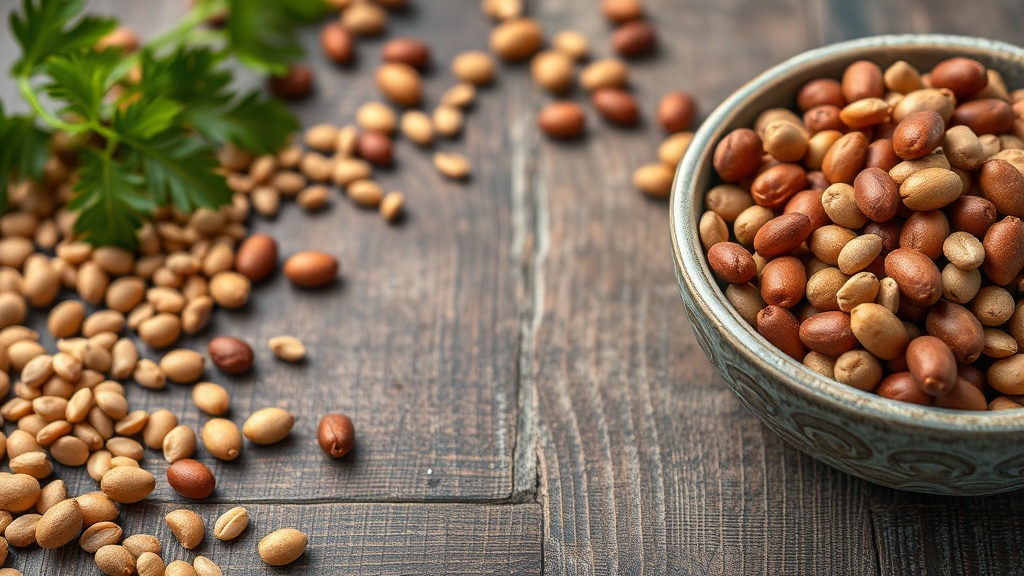
Making The Most of Your Dried Beans and Grains

You're going to learn how to turn basic, inexpensive staples like dried beans, lentils, and grains into filling, nutritious meals that actually taste good. This isn't just about eating cheap; it's about understanding how to use these foundational ingredients to build flavor and texture so your family feels satisfied without breaking the bank.
I remember when I first started looking at my grocery receipt and realized how much I was spending on pre-packaged, convenient versions of things I could make myself. I was buying canned beans, pre-cooked rice packets, and expensive quinoa when a bag of dried lentils or a large tub of oats would have cost a fraction of the price. Once you get the hang of it, these pantry staples become the backbone of your kitchen.
Why should I buy dried beans instead of canned?
The most obvious reason is the cost. If you look at the price per ounce, dried beans win every single time. A bag of dried black beans is significantly cheaper than a shelf-stable can of the same amount. But it isn't just about the cents—it's about the control you have over the final product. Canned beans often come with a high sodium content and a mushy texture that can ruin a good salad or chili. When you cook them yourself, you control the salt and the timing.
To get the best results, I recommend soaking your beans overnight in cold water. This softens the skins and reduces the cooking time. If you're in a hurry, you can use the quick-soak method: bring them to a boil, turn off the heat, and let them sit for an hour. This simple step makes a massive difference in how digestible they are for your family. For more scientific details on why soaking helps, you can check out the Healthline guide on soaking beans.
How do I store grains and legumes to keep them fresh?
Storage is where many people lose money. If your flour gets weevils or your rice gets damp, you've essentially thrown money in the trash. I keep my bulk grains in airtight glass jars or heavy-duty plastic containers. If you buy in bulk—which is the smartest way to save—don't just dump it into the pantry. If you're buying large quantities of grains, consider keeping them in the freezer to prevent spoilage and pests.
Here is a quick cheat sheet for my kitchen pantry:
- Dried Beans: Keep in a cool, dry, dark place. Check for moisture regularly.
- Rice: Store in airtight containers; long-grain rice stays shelf-stable for a long time.
- Lentils: These cook fast and don't require soaking, but keep them in a sealed container to avoid spills.
- Oats: Keep them in a tightly sealed container to prevent them from absorbing kitchen odors.
If you notice your grains are getting old or smelling slightly musty, it's best to toss them. There's no point in saving a few cents if the quality is gone. I always check my pantry every month to rotate my stock, ensuring the oldest stuff gets used first.
What are the best ways to add flavor to plain grains?
The biggest mistake I see people make is serving "naked" grains. If you serve plain white rice or unseasoned lentils, your family will get bored, and you'll end up spending more on takeout. You need to build layers of flavor. I use a technique I call "seasoning the water." Instead of boiling rice in plain water, I use chicken or vegetable stock, or even just a bit of salt and a bay leaf. It's a small change that makes the grain taste much more expensive than it actually is.
Another way to level up is using aromatics. When I'm making a big batch of lentils, I'll sauté onions, garlic, and even a bit of cumin in oil before adding the lentils and water. This builds a base of flavor that carries through the whole meal. You don't need fancy spices—just the basics. A little bit of salt, pepper, and maybe some dried thyme or oregano goes a long way. If you're curious about the nutritional density of these foods, the Dietary Guidelines for Americans provides great info on why these whole foods are so beneficial.
I also love the "bowl" method. Once your grain is cooked, don't just serve it as a side. Make it the star. A bowl of brown rice topped with a fried egg, some sautéed greens, and a splash of soy sauce is a complete, high-protein meal that costs very little to produce. This is how I manage to keep my grocery bill under $50 a week for my three kids—we treat grains as the foundation, not just an afterthought.
| Grain/Legume | Typical Cook Time | Best Flavor Pairing |
|---|---|---|
| Brown Rice | 45 Minutes | Soy sauce, Ginger, Garlic |
| Red Lentils | 15-20 Minutes | Turmeric, Cumin, Onion |
| Black Beans | 1-2 Hours | Onion, Chili Powder, Lime |
| Quinoa | 15 Minutes | Lemon, Parsley, Olive Oil |
Don't be afraid of the texture. Sometimes, if you cook beans a little longer, they become perfect for mashing into a spread or a dip. If they are slightly undercooked, they work great in a hearty soup or stew. The versatility of these ingredients is their greatest strength. You aren't just buying food; you're buying a toolkit for endless meals.