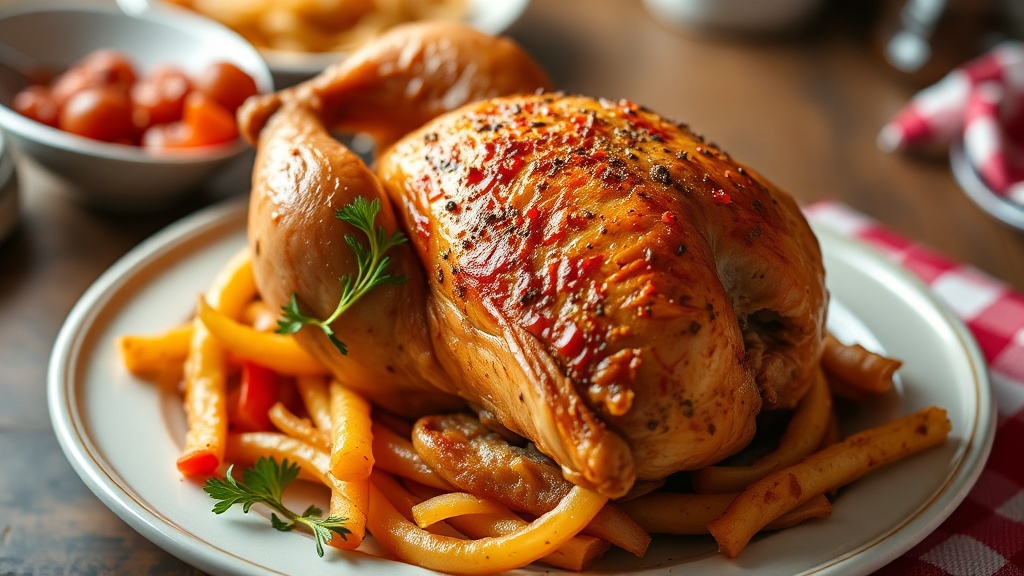
How to Stretch One Chicken Into Five Budget-Friendly Family Dinners

How Much Money Can You Really Save Buying Whole Chickens?
A whole chicken — typically costing between $6 and $12 depending on weight and whether it's conventional or organic — can yield five complete family dinners when approached with the right strategy. That's less than $2 per meal for the protein centerpiece, a fraction of what pre-cut chicken breasts or takeout would run. This guide breaks down the exact technique professional home economists use: breaking down the bird at home, prioritizing parts by value, and transforming bones into liquid gold. Whether feeding a family of four or meal prepping for the week ahead, these methods cut grocery bills without sacrificing nutrition or flavor.
What's the Best Way to Break Down a Whole Chicken?
The secret starts at the cutting board. Breaking down a whole chicken takes about 10 minutes once you've done it a few times, and the savings add up fast. A 5-pound whole chicken at $1.49 per pound costs roughly $7.45. The same weight in boneless, skinless chicken breasts alone would run $15 or more.
Tools You'll Need
- A sharp chef's knife or boning knife (a Victorinox Fibrox Pro 8-inch works beautifully)
- A sturdy cutting board with a groove to catch juices
- Clean hands and a bowl for scraps
The Step-by-Step Breakdown
Start with the legs. Pull one leg away from the body and slice through the skin between the thigh and breast. Bend the leg back until the hip joint pops, then cut through the joint to remove. Repeat on the other side. You'll now have two leg quarters — that's dinner one and dinner two right there.
Next, the wings. These don't yield much meat, but they're perfect for stock. Cut through the joint where each wing meets the breast.
Now for the breasts. Cut along one side of the breastbone, keeping the knife close to the bone, and peel the breast meat away in one piece. Do the same on the other side. You now have two substantial chicken breasts — that's dinner three and four.
What's left? The carcass, some skin, and random bits. Don't toss them. That's dinner five waiting to happen — plus extra.
"Learning to break down a chicken is the single skill that transformed how our family shops," says Toby Amidor, MS, RD, CDN, author of several healthy cookbooks. "The cost per serving drops dramatically, and you control exactly what goes into your meals."
How Do You Meal Prep Five Dinners From One Bird?
Strategic planning turns those chicken parts into five distinct meals without anyone feeling like they're eating leftovers. The key is variety in preparation methods and complementary ingredients that stretch the protein further.
Dinner 1: Roasted Chicken Leg Quarters with Vegetables
Use both leg quarters for a classic roast. Season with salt, pepper, paprika, and a little garlic powder. Roast at 425°F on a bed of quartered potatoes, carrots, and onions. One leg quarter feeds two people easily when paired with those vegetables. The skin gets crispy. The meat stays juicy. Cost per serving? About $2.50.
Dinner 2: Chicken Thigh Tacos with Homemade Salsa
Pull the meat from the second set of legs. Shred it, season with cumin and chili powder, and pan-fry until the edges crisp. Serve in corn tortillas with diced onion, cilantro, and a squeeze of lime. Stretch it further with a side of cilantro-lime rice. Four people eat well for under $8 total.
Dinner 3: Lemon Herb Chicken Breast with Quinoa Salad
Butterfly one breast and pan-sear it. The trick? Don't overcook it. Chicken breast hits perfect doneness at 165°F internal temperature. Slice it against the grain and serve over quinoa mixed with cucumber, cherry tomatoes, feta, and a lemon-olive oil dressing. Light, fresh, and satisfying.
Dinner 4: Chicken Alfredo Pasta Bake
The second breast becomes a pasta dish that feeds a crowd. Dice the cooked chicken and mix it with penne, jarred Alfredo sauce (or homemade if you've got the time), spinach, and mozzarella. Bake until bubbly. One breast stretches across a 9x13 dish because pasta and sauce do the heavy lifting.
Dinner 5: Hearty Chicken and Vegetable Soup
That carcass — the bones, skin, and any bits you didn't use — becomes the base for a nourishing soup. Here's where the magic happens.
Put everything into a large pot with water, a quartered onion, a few carrots, celery, and a bay leaf. Simmer for two to three hours. Strain out the solids. The liquid left behind is homemade chicken stock — richer and more flavorful than anything from a carton. (Worth noting: Store-bought Swanson Chicken Stock runs about $3 per quart. You just made two quarts for pennies.)
Use that stock as your soup base. Add diced vegetables, a handful of rice or small pasta, and any leftover chicken bits you saved from the carcass. One bowl fills you up. The recipe easily serves six — meaning you might even have lunch for tomorrow.
What Are the Best Side Dishes to Stretch Chicken Further?
The right sides transform a small amount of protein into a complete, filling meal. Starches and legumes cost little but add bulk and satisfaction.
| Side Dish | Cost per Serving | Why It Works |
|---|---|---|
| Rice (white or brown) | $0.15 | Neutral flavor absorbs sauces; fills plates |
| Dried beans (black, pinto, kidney) | $0.20 | High protein and fiber; extremely cheap dried |
| Pasta | $0.25 | Kids love it; stretches small amounts of meat |
| Seasonal vegetables | $0.40-$0.80 | Adds nutrition, color, and volume |
| Homemade bread | $0.30 | Fills hungry bellies; perfect for soaking up sauce |
The catch? Timing matters. Dried beans require advance planning — an overnight soak and about an hour of cooking. The payoff is huge. A one-pound bag of dried black beans costs roughly $1.50 and yields the equivalent of four cans.
Potatoes are another workhorse. A 10-pound bag at Aldi or Lidl often costs less than $4. Roasted, mashed, or turned into oven fries — they bulk up any plate for next to nothing.
How Long Does Cooked Chicken Last in the Fridge?
Food safety keeps your family healthy — and throwing away spoiled meat destroys your budget. Cooked chicken keeps for three to four days in the refrigerator at 40°F or below. If you won't use it within that window, freeze it immediately.
Freeze shredded or diced cooked chicken in portioned freezer bags. Flatten the bags before freezing — they stack better and thaw faster. Properly frozen cooked chicken maintains quality for up to three months.
That homemade stock? It lasts a week in the fridge or six months frozen. Freeze it in ice cube trays for small portions (perfect for deglazing pans) or in quart containers for soups.
Safe Handling Tips
- Always wash hands, cutting boards, and knives after handling raw chicken
- Use a separate cutting board for raw meat and vegetables — color-coded boards help
- Never rinse raw chicken under water (it spreads bacteria without cleaning anything)
- Reheat leftovers to 165°F internal temperature
For more detailed food safety guidelines, the USDA's chicken safety page offers authoritative guidance on storage times and temperatures.
Can You Apply This Method to Other Proteins?
Absolutely. The whole-bird (or whole-cut) approach works across the meat counter. A whole pork loin costs significantly less per pound than pre-cut pork chops — and you can slice it yourself. The same logic applies to larger cuts of beef.
Even beyond meat, the principle stands. Dried beans cooked from scratch beat canned on price. Whole vegetables chopped at home cost less than pre-cut convenience bags. Blocks of cheese you grate yourself stretch further than shredded bags (plus they lack the anti-caking cellulose).
The upfront investment is time — about an hour per week if you're efficient. The return? A grocery bill that drops by 30% or more without changing what you actually eat. That's not extreme couponing. That's just smart shopping.
Sample Weekly Cost Breakdown
Here's what five chicken dinners look like in practice — complete meals, realistic portions, actual prices from typical grocery stores:
| Meal | Chicken Cost | Sides Cost | Total |
|---|---|---|---|
| Roasted legs with vegetables | $1.50 | $2.00 | $3.50 |
| Chicken tacos with rice | $1.50 | $1.25 | $2.75 |
| Chicken breast with quinoa salad | $1.50 | $2.50 | $4.00 |
| Alfredo pasta bake | $1.50 | $3.50 | $5.00 |
| Chicken soup with bread | $1.00 | $2.00 | $3.00 |
| Grand Total | $7.00 | $11.25 | $18.25 |
That's five dinners for a family of four — twenty servings total — at roughly $0.91 per serving. Compare that to a single fast-food meal or even budget takeout, and the difference speaks for itself.
Here's the thing: cooking this way doesn't mean eating the same thing repeatedly. Each meal tastes distinct because the preparation methods vary. The ingredients surrounding that chicken change everything.
That said, not every week needs to follow this exact plan. Some weeks you might make three meals from the chicken and freeze the stock for later. Flexibility keeps budget cooking sustainable. Rigidity kills it.
Stock your pantry with versatile staples — rice, pasta, dried beans, canned tomatoes, onions, garlic, basic spices. With those on hand, a whole chicken becomes not just five meals, but five completely different dinners nobody complains about. The savings pile up. The family eats well. The technique, once learned, applies forever.
Steps
- 1
Break Down the Whole Chicken Into Primal Cuts
- 2
Cook the Carcass for Homemade Chicken Stock
- 3
Plan and Prepare Your Five Budget-Friendly Meals