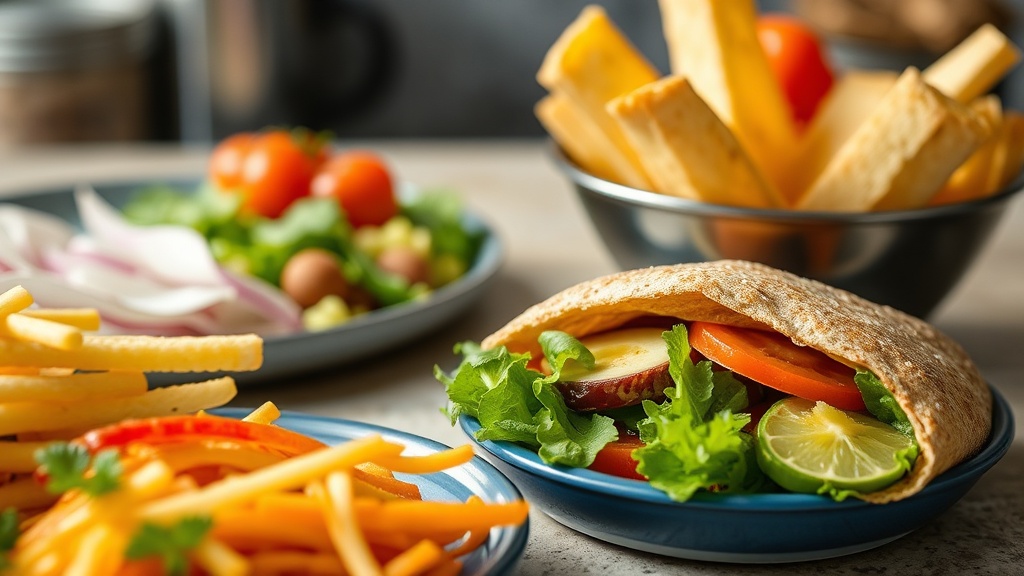
How to Make a Week of Budget-Friendly Lunches for Under $20

This guide walks through a complete system for preparing five workday lunches for under $20 total. That breaks down to roughly $4 per day — less than a single sandwich at most delis. The approach combines strategic shopping at discount grocers like Aldi or Lidl with batch-cooking techniques that maximize every ingredient. No fancy equipment required. No hour-long prep sessions. Just straightforward methods anyone with a stove and basic pots can execute on a Sunday afternoon.
What Are the Cheapest Proteins for Meal Prep?
Eggs, dried beans, lentils, and chicken thighs bought in bulk offer the best protein-per-dollar ratio for budget lunch planning. Canned tuna and peanut butter also rank high on the value scale.
Here's the thing about protein — it's usually where lunch budgets hemorrhage money. A pre-packaged grilled chicken breast runs $3-4 alone. That approach won't work here. Instead, focus on proteins that cost pennies per serving.
Dried beans top the list. A pound of dried black beans costs around $1.50 and yields about 12 cups cooked. That's roughly 6 cents per half-cup serving. Lentils cook faster — no soaking required — and deliver similar value with more iron and folate.
Eggs remain the gold standard for cheap protein. At $3-4 per dozen (prices vary by region), each egg costs about 30 cents. Two eggs per lunch? That's 60 cents. Hard-boil a dozen on Sunday and they keep all week.
Chicken thighs beat breasts on price and flavor. A family pack of bone-in thighs often sells for $0.99-1.49 per pound. Roast them all at once, shred the meat, and distribute across multiple lunches. Dark meat stays moist longer — a practical consideration for meals packed on Monday and eaten Friday.
The catch? Canned proteins. They're convenient but cost 3-4 times more than dried. If time matters more than absolute savings, canned light tuna in water offers decent value at roughly $1 per can (two servings). Stick to chunk light — skipjack tuna — which contains less mercury than albacore.
How Do You Meal Prep Lunches Without Getting Bored?
Build "component meals" rather than identical pre-packed containers. Prepare a protein, two starches, and three vegetables separately, then mix combinations throughout the week.
Boredom kills budget meal plans faster than anything. Nobody wants to eat identical chicken-and-rice bowls five days straight. By Thursday, that container's headed for the trash — and so is your $20 budget.
Instead, embrace the component method. Here's a sample breakdown:
- Proteins: Hard-boiled eggs, seasoned black beans, roasted chicken thigh meat
- Starches: Brown rice, pasta, baked potatoes
- Vegetables: Roasted carrots, sautéed onions and peppers, raw cucumber slices
Monday: Rice + black beans + peppers + hot sauce. Tuesday: Pasta + chicken + carrots + olive oil. Wednesday: Baked potato + black beans + sour cream. The combinations multiply quickly.
Flavor variability matters. Keep these cheap condiments on hand: yellow mustard, hot sauce (Valentina or Tapatio — both under $2), soy sauce, and dried Italian seasoning. A $0.99 bottle of vinegar transforms plain vegetables into quick pickles. Worth noting: sour cream and salsa turn almost anything into a "bowl" that feels intentional rather than desperate.
That said, texture variety prevents the "mushy lunch" trap. Combine something creamy (beans, egg yolk) with something crunchy (raw vegetables, toasted breadcrumbs). Cold pasta with warm toppings works — just pack components separately and assemble at your desk.
What Should You Buy With a $20 Lunch Budget?
Focus the budget on versatile staples: grains, legumes, in-season vegetables, eggs, and one discounted protein. Skip pre-cut produce, name-brand items, and anything in single-serve packaging.
Below is a real sample shopping list priced at an Aldi in the Midwest (your prices may vary by 10-20%, but the ratios hold):
| Item | Quantity | Price |
|---|---|---|
| Dried black beans | 1 lb | $1.49 |
| Long-grain brown rice | 2 lb bag | $1.89 |
| Eggs (Store brand) | 1 dozen | $3.29 |
| Chicken thighs (bone-in) | 2.5 lbs | $2.98 |
| Carrots (2 lb bag) | 1 bag | $1.29 |
| Yellow onions | 3 lb bag | $1.99 |
| Bell peppers (tricolor) | 3 pack | $2.49 |
| Russet potatoes | 5 lb bag | $2.99 |
| Pasta (store brand) | 16 oz | $0.89 |
| Total | — | $18.30 |
The remaining $1.70 covers tax or a splurge item — perhaps a marked-down bakery loaf for croutons or a lime for brightness. Shop the "reduced for quick sale" meat section first. That $2.98 chicken might drop to $1.98 with a same-day sell-by date. Freeze what you won't use immediately.
Safe food storage practices from the FDA matter here. Cooked rice and beans keep 4-6 days refrigerated. Hard-boiled eggs last one week. Cooked chicken: 3-4 days maximum. Label containers with preparation dates using masking tape and a marker.
The Sunday Prep Routine (90 Minutes Max)
Start the beans soaking Saturday night. Sunday morning, drain and simmer them covered for 90 minutes with half an onion and a bay leaf if you have one. No salt until the end — it toughens the skins.
While beans cook, roast the chicken thighs. Season with salt, pepper, and paprika. 400°F for 35-40 minutes. Let cool, then shred with two forks. Portion into three containers.
Hard-boil eggs: place in pot, cover with cold water, bring to boil, remove from heat, cover 12 minutes. Ice bath immediately. Peel under running water — shells slip right off.
Rice follows the absorption method: 1 cup rice to 2 cups water, pinch of salt, bring to boil, reduce to lowest heat, cover 45 minutes. Don't lift the lid. Fluff with fork, cool completely before refrigerating.
Vegetable prep depends on your texture preferences. Roasted carrots (tossed with oil, 425°F for 25 minutes) taste sweeter than raw. Onions and peppers sauté quickly in the same skillet after the chicken finishes. Raw cucumber requires only slicing.
Here's the thing about storage. Wide-mouth mason jars (pint and quart sizes) outperform plastic containers for most items. Glass doesn't stain or retain smells. The straight sides make cleaning easier. A 12-pack of jars costs $12 at Walmart — a one-time investment that pays for itself in months.
Budget Lunch Recipes That Actually Fill You Up
Portion sizes matter. A "lunch" needs 20-30 grams of protein and complex carbohydrates to sustain energy through the afternoon slump. These combinations hit those targets without breaking the bank.
The Rice & Bean Bowl (about $1.25 per serving):
- 1 cup cooked brown rice
- ½ cup seasoned black beans
- ¼ cup sautéed peppers and onions
- Hot sauce and a spoonful of sour cream (if budget allows)
The Loaded Baked Potato (about $1.10 per serving):
- 1 medium russet potato, baked (poke holes, 400°F for 60 minutes)
- ½ cup black beans
- Chopped hard-boiled egg (½ egg)
- Salsa from the office condiment bar (free flavor)
The Cold Pasta Salad (about $1.40 per serving):
- 2 cups cooked pasta, cooled
- Shredded chicken thigh
- Roasted carrots, chopped
- Olive oil and vinegar dressing
- Black pepper (aggressive amounts)
Each recipe yields 3-4 servings. Mix and match across your five-day work week. The potatoes reheat well in a microwave — wrap in a damp paper towel to prevent leather-like skin.
How Do You Keep Prepped Lunches Fresh All Week?
Cool food completely before refrigerating, store proteins separately from acids, and keep dressings in small containers until eating time.
Food safety isn't negotiable. Getting sick from improperly stored lunch destroys any budget gains. The danger zone — 40°F to 140°F — is where bacteria multiply fastest. Your refrigerator should register below 40°F (verify with a thermometer).
Wet ingredients degrade dry ones. Beans stored in their cooking liquid stay moist; beans drained and mixed with rice turn everything starchy and gummy by Wednesday. Pack components separately when possible. A divided container (like the Glasslock 3-compartment containers) costs more upfront but preserves food quality.
Acids are both friend and enemy. A squeeze of lemon or vinegar brightens flavors and slows bacterial growth. But acid also softens vegetables over time. Dress salads just before eating, not during Sunday prep.
The catch? Freezing. Most budget lunch components freeze adequately. Cooked rice freezes well for three months. Beans freeze indefinitely (though texture degrades after 6 months). Chicken freezes perfectly. Eggs don't freeze whole — cooked yolks survive, whites turn rubbery. Portion and freeze half your prep if you're worried about Thursday's lunch turning.
Stretching Ingredients Beyond Five Days
That $20 investment often yields 7-8 actual meals. The trick is repurposing scraps. Bean cooking liquid — aquafaba — works as an egg substitute in baking or to thin hummus. Chicken bones simmer into stock for next week's soup. Vegetable peels and ends collect in a freezer bag for homemade broth.
Rice and beans form endless variations. Mash seasoned beans with some reserved cooking liquid for a quick dip. Mash with rice and form into patties — pan-fry for veggie burgers. Wrap in a tortilla (often $1.89 for a 10-pack) with hot sauce for a burrito that costs under 50 cents.
Rotisserie chicken shortcut: If your grocery marks down yesterday's rotisserie chickens (many do, around 7 PM), grab one for $3-4. Shred the meat immediately. The bones make stock. You'll get 4-5 cups of meat — comparable to cooking thighs yourself, sometimes cheaper.
Track what you actually eat. Keep a simple note on your phone: "Monday rice bowl — good," "Thursday pasta — too much garlic." This data shapes next week's shopping. The Academy of Nutrition and Dietetics offers additional strategies for stretching food dollars without sacrificing nutrition.
Budget lunch prep isn't about deprivation. It's about intention. Every dollar saved on weekday lunches becomes a dollar available for weekend splurges — better coffee, a restaurant dinner, or simply breathing room in a tight monthly budget. The skills compound. You get faster at prep. Your palate adapts to simpler flavors. Eventually, $20 seems generous rather than restrictive.
Steps
- 1
Plan Your Menu and Create a Shopping List
- 2
Shop Smart at Discount Grocers and Bulk Bins
- 3
Batch Cook Proteins, Grains, and Vegetables