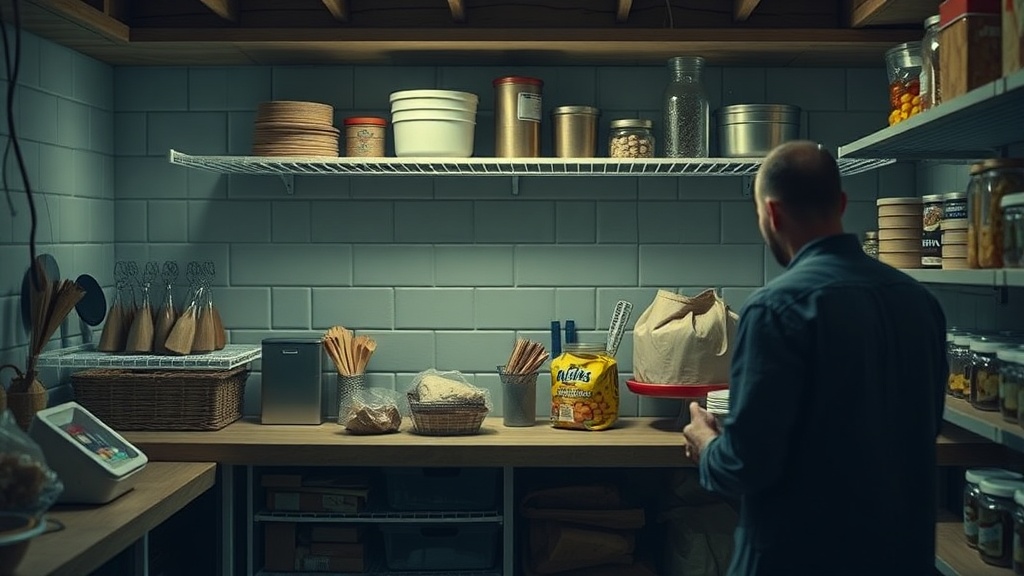
Building a Pantry That Actually Saves You Money

Most people believe that a well-stocked pantry is a sign of luxury or a way to show off during dinner parties. They think having rows of expensive spices and exotic oils means they're "winning" at cooking. But here is the truth: a smart pantry isn't about having everything; it's about having the right things to prevent expensive, last-minute takeout orders. A functional pantry is your first line of defense against a zeroed-out bank account and the dreaded "what's for dinner?" panic that leads to ordering pizza.
When you build your pantry with intention, you're not just buying food—you're buying time and peace of mind. I used to spend so much time running to the store for that one missing ingredient (usually a specific sauce or a bag of flour) that I'd end up spending forty dollars more than I planned. Now, I focus on a foundation of versatile, low-cost staples that can be transformed into dozens of different meals. This isn't about hoarding; it's about strategic-level inventory management right in your own kitchen.
What are the best low-cost pantry staples to buy?
If you want to keep your weekly grocery bill under control, you have to stop buying single-use items. You want ingredients that work hard in multiple recipes. I always start with the heavy hitters: grains, legumes, and base aromatics. Think about things like dried lentils, brown rice, oats, and pasta. These items are incredibly inexpensive when bought in larger quantities and they have a long shelf life.
Don't overlook the power of canned goods, but be picky about what you grab. Canned tomatoes, chickpeas, and coconut milk are my go-toes for adding flavor and texture to meals without breaking the bank. If you want to see the nutritional breakdown of why these staples are so great, the NutritionData database is a great place to check the density of what you're eating. A bag of dried beans costs a fraction of what a pre-cooked can does, and even though it takes a little more time, the savings add up over a month.
| Category | Must-Have Items | Best Use |
|---|---|---|
| Grains | Rice, Oats, Quinoa | Breakfast, Side dishes, Base for bowls |
| Legumes | Lentils, Chickpeas, Black Beans | Soups, Salads, Protein for tacos |
| Oils & Acids | Olive Oil, Vinegar, Soy Sauce | Flavoring, Dressings, Sautéing |
| Flavor Boosters | Onions, Garlic, Dried Herbs | Building flavor foundations |
How do I keep my pantry organized without spending much?
Organization doesn't require those expensive, clear acrylic bins you see on social media. In fact, I've found that those often lead to more waste because you overbuy what you can see. Instead, I use a simple "first in, first out" system. When you bring new groceries home, the older items move to the front. This ensures you actually use what you have before it hits the expiration date.
I use reusable containers or even just reused glass jars from my kids' pasta sauce. It’s much cheaper than buying specialized storage solutions. If you're worried about food safety or how long something actually lasts, the FDA guidelines provide great information on food storage and shelf life. A well-organized pantry should allow you to look at your shelves and know exactly what you can make for dinner tonight without a trip to the store.
The importance of rotating your stock
One mistake I see a lot is buying too much of one thing. If you buy five jars of peanut butter because it was on sale, you're actually just tying up your cash. I prefer to buy one or two and rotate. It keeps your kitchen from feeling cluttered and ensures you're actually eating the variety you need. A diverse pantry means you can switch from a Mediterranean-style meal to a hearty bean stew just by changing your spices.
Can I build a pantry on a tight budget?
Absolutely. The secret is to look for the "base" of the meal rather than the "finish." Instead of buying a pre-made curry paste or a specialized sauce, buy the spices and the coconut milk. It's much cheaper to build a flavor profile from scratch using basic spices like cumin, paprika, and turmeric. This also gives you control over the salt and sugar content, which is a huge plus for your health.
When I was working as a dental hygienist, I learned how much small, frequent sugary snacks and processed "convenience" foods can impact your long-term health. Building a pantry with whole foods—like oats instead of sugary cereal or dried beans instead of processed snacks—is a way to protect both your wallet and your well-being. It takes a little more planning, but the results are worth it. You're building a foundation for a lifestyle, not just a single meal.
Always check your pantry before you head to the store. It's a simple habit, but it's the most effective way to avoid "duplicate buying." If you see you already have three cans of chickpeas, don't grab another one just because it's on sale. Use those chickpeas! Use them in a salad, mash them into a veggie burger, or toss them into a soup. Every item in your pantry should be a tool in your kit, ready to be used when the need arises.