Allergy-Proof Your Spring Garden: Expert Tips for Outdoor Living During Allergy Season

Allergy-Proof Your Spring Garden: Expert Tips for Outdoor Living During Allergy Season
Hook:
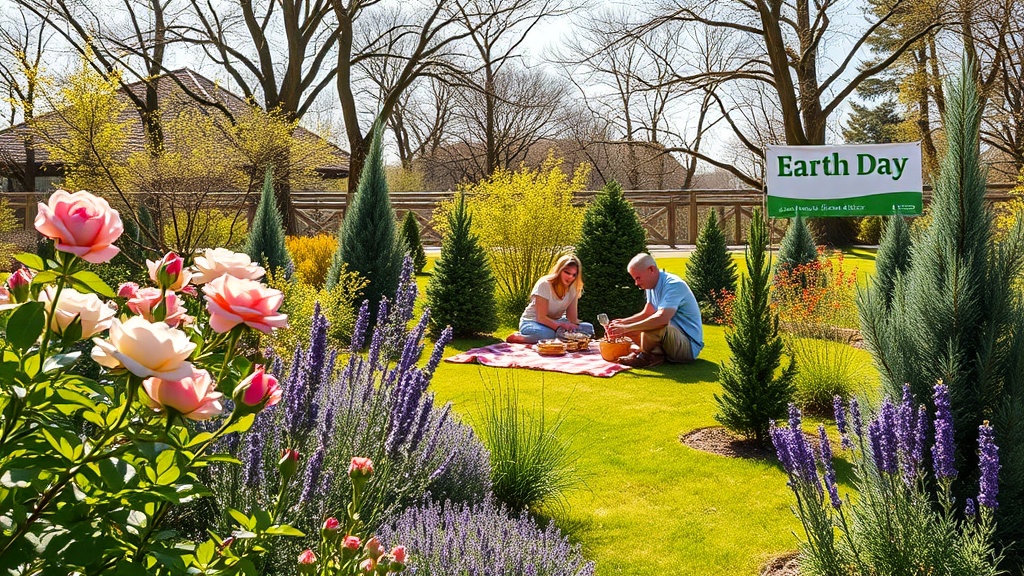
Ever tried to enjoy a sunny Easter brunch in your backyard only to be swarmed by sneezing, itchy eyes, and a runny nose? You’re not alone—spring allergy season hits hardest when we’re most eager to get outside. The good news? You can design a garden that keeps pollen low while still looking gorgeous for Earth Day celebrations and family picnics.
Context:
Allergy season isn’t just a nuisance; it can derail outdoor plans and add unexpected medical costs. As a mom who’s constantly balancing a tight budget, I’ve learned to pick plants, arrange layouts, and adopt maintenance habits that minimize allergens without breaking the bank. Below is a step‑by‑step guide you can start this weekend.
What plants are the biggest allergy culprits in a spring garden?
Most spring pollen comes from wind‑pollinated trees and grasses—think oak, birch, cedar, and rye grass. These species release lightweight pollen that travels miles. Shrubs like Lilac and Forsythia also add to the mix. If your garden is dominated by these, you’ll likely experience sneezing fits during peak pollen weeks (usually March‑May).
Why it matters: Knowing the offenders lets you replace them with low‑pollen alternatives, cutting down on daily antihistamine doses.
Which low‑allergen plants thrive in a budget‑friendly spring garden?
Here are my top picks that are both affordable and low‑pollen:
- Lavender (Lavandula angustifolia) — Aromatic, attracts pollinators but produces heavy, stickier pollen.
- Rosemary (Rosmarinus officinalis) — Evergreen herb, great for cooking, and its pollen is heavy.
- Dwarf Conifers (e.g., Thuja occidentalis ‘Smaragd’) — Evergreen, no significant pollen.
- Roses (modern hybrid varieties) — While some roses can be allergenic, many modern hybrids have reduced pollen.
- Hostas — Leafy ground cover, pollen‑free, and perfect for shady spots.
- Bee Balm (Monarda) — Attracts bees but its pollen is heavy and less airborne.
All of these can be found at local nurseries for under $10 per plant—perfect for a family budget.
How should I layout my garden to reduce pollen exposure?
1. Create a “clean zone” around seating areas
Place low‑pollen plants within a 5‑foot radius of tables, benches, or picnic blankets. This creates a natural pollen barrier.
2. Use windbreaks
Tall, evergreen shrubs (like dwarf conifers) act as windbreaks, preventing wind‑borne pollen from drifting into your outdoor dining space.
3. Designate a pollen‑catching buffer
Plant a row of lavender or rosemary between high‑pollen trees and your main garden. Their strong scent can help mask airborne pollen and their dense foliage traps particles.
What maintenance habits keep my garden allergy‑friendly?
- Regular pruning — Trim flowering parts of any accidental high‑pollen plants before they bloom.
- Water early in the morning — Moist soil reduces pollen lift. A simple hose‑down of foliage (especially on roses) can lower airborne pollen by up to 30% (source: American College of Allergy, Asthma & Immunology).
- Mulch with leaf‑free material — Use wood chips or rubber mulch instead of straw, which can harbor pollen.
- Keep pathways clear — Rake leaves and debris weekly; they can trap pollen and release it when disturbed.
How can I make my garden ready for Easter gatherings and Earth Day?
Easter Picnic Setup
- Low‑pollen centerpiece: A small lavender bouquet in a mason jar adds fragrance without the sneeze.
- Budget‑friendly spread: Check out my budget picnic meals for under‑$10 dishes that pair perfectly with garden veggies.
Earth Day Sustainability
- Compost kitchen scraps: Turn veggie peelings into nutrient‑rich soil. It reduces waste and gives your low‑pollen plants a natural boost.
- Rain barrel: Capture rainwater for irrigation—saves money and reduces reliance on municipal water (see the Eco‑Friendly Spring Cleaning post for DIY cleaning solutions that work great on garden tools).
Bonus: Budget‑Smart Tips to Implement These Ideas
- Buy in bulk: Many nurseries offer “mix‑and‑match” packs of lavender and rosemary for $15 and you get 10 plants.
- DIY raised beds: Repurpose old pallets or reclaimed wood. A simple guide is in my Spring Home Refresh: Budget DIY Ideas post.
- Use free seed swaps: Join local community groups or check out the Spring 2026 Grocery Price Trends article for tips on sourcing affordable produce.
Takeaway
Allergy season doesn’t have to mean staying indoors. By choosing low‑pollen plants, designing smart garden zones, and maintaining a clean, hydrated space, you can enjoy a vibrant spring garden that’s perfect for Easter picnics, Earth Day celebrations, and everyday family fun—all while keeping your grocery bill in check. Grab a hose, plant a few lavender cuttings, and start breathing easier this spring.
Sources
- American College of Allergy, Asthma & Immunology – Pollen and Allergy (2025) – https://acaai.org/allergies/pollen/
- CDC – Seasonal Allergies (2024) – https://www.cdc.gov/allergies/seasonal.html
- Earth Day Network – 2026 Earth Day Campaigns – https://www.earthday.org/2026-campaigns/